Books
25 Books That Could Change Your Life: Money, Habits, and Mindset
Discover 25 books that could change how you think about money, habits, focus, relationships, and life—plus which one is actually worth reading first.
By worth-the-cart
•
•
3 min read


One good book probably won’t change your life. One good idea used on an ordinary Tuesday might.
That distinction matters because self-improvement shelves are full of books that feel productive to buy and satisfying to highlight—but surprisingly easy to forget. The real question isn’t which title makes the biggest promise. It’s which book can help you make a better decision about money, work, relationships, attention, or meaning when real life interrupts your motivation.
This ranking covers 25 books that could change your life without pretending that reading alone is transformation. Some are practical manuals. Others are better at changing the lens through which you see a problem. The order reflects everyday usefulness, clarity, long-term value, and the likelihood that the right reader will still think about the book months later.
Quick Answer: Which Book Should You Read First?
If you want one recommendation without reading the entire ranking, start with Atomic Habits. It offers the clearest bridge between an interesting idea and something you can do today.
What you want to change | Best first book | Why it stands out | Main limitation |
|---|---|---|---|
Daily habits | Practical systems you can test immediately | Can feel too mechanical for deeper emotional problems | |
Money behavior | Makes financial behavior easier to understand | Not a step-by-step budget or investing plan | |
Financial assumptions | Memorable introduction to assets, ownership, and income | Too simplified to use as a technical guide | |
Meaning during a difficult period | Short, serious, and emotionally lasting | Heavy subject matter | |
Concentration and demanding work | Turns focus into a skill rather than a personality trait | Easier to apply in some jobs than others |
How We Ranked These Books Without Scores
Scores can create false precision. A book that is perfect for a distracted student may be almost useless to someone who already has strong routines but needs financial guidance. Instead, this list considers four practical questions:
Does the book offer an idea you can remember when you need it?
Can the reader turn that idea into a real action?
Does the advice remain useful beyond one trend or life stage?
Is the book honest enough about trade-offs, uncertainty, or effort?
The ranking also penalizes unnecessary repetition, dated examples, narrow advice presented as universal truth, and books that inspire without helping the reader decide what to do next.
The Hidden Cost of a Self-Improvement Book
The price on Amazon is rarely the biggest cost. Attention is.
Imagine a 300-page book read at 30 pages per hour. That is a ten-hour commitment before you account for notes, exercises, or rereading. A cheaper book that you never finish is not better value than a more expensive one that helps you change a habit for years.
Here is another way to think about cost per use. If a $15 book gives you one useful experiment each month for a year, that works out to $1.25 per applied idea. If you buy six books and leave five unread, the bargain disappears quickly. Prices vary by format and seller, but the principle does not: buy for the problem you have now, not the person you imagine becoming after filling a bookshelf.
1. Atomic Habits by James Clear — Best Overall
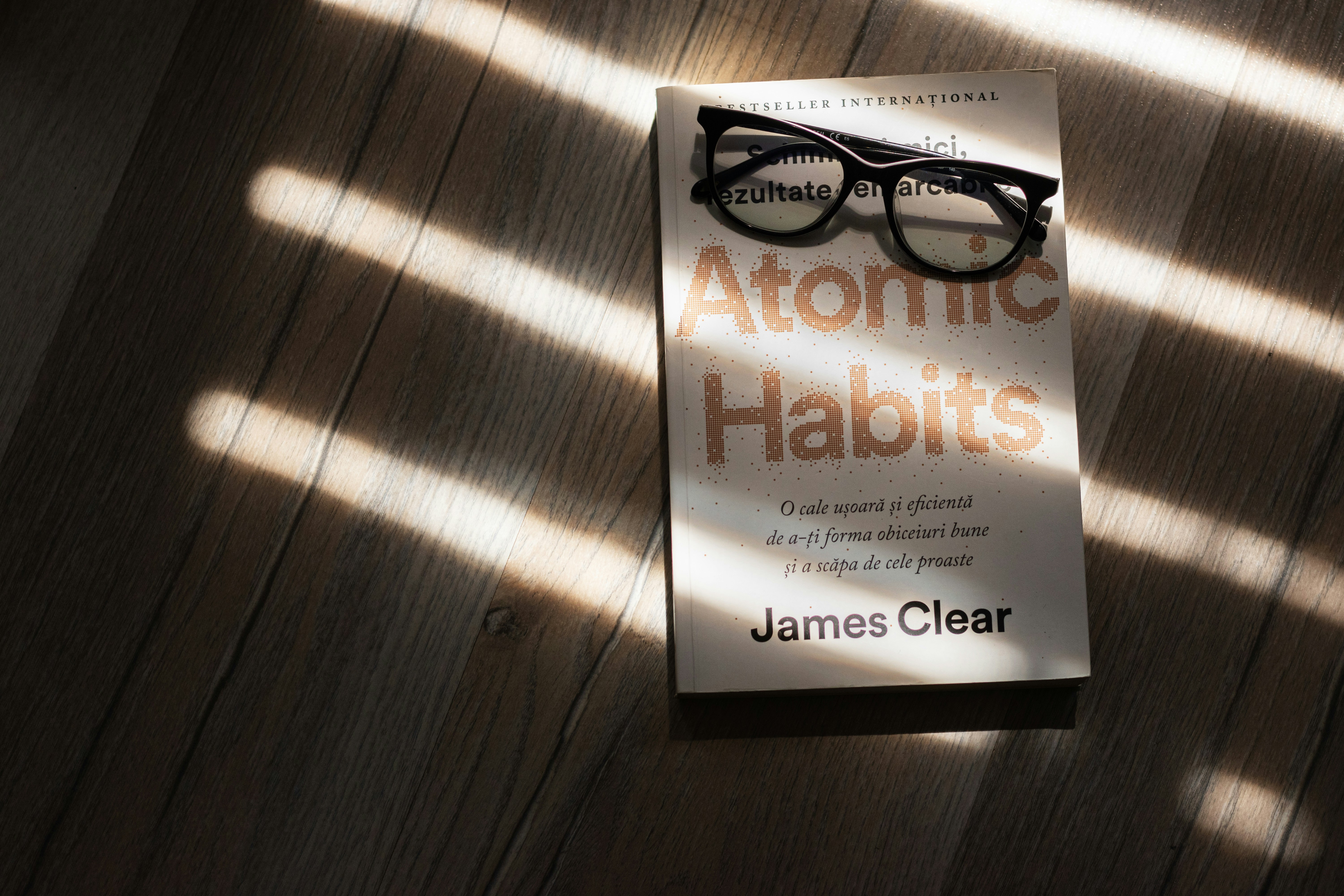
Atomic Habits earns the top position because it makes behavior change feel concrete. Its central strength is the shift from chasing goals to building repeatable systems. Instead of relying on a dramatic burst of motivation, you adjust cues, make a behavior easier to start, and allow small repetitions to accumulate.
That is useful in ordinary situations. Someone trying to read more can leave a book on the pillow rather than depending on memory at bedtime. Someone trying to save can automate a transfer rather than renegotiating the decision every payday. The advice is simple enough to test without redesigning your entire life.
Reasons to buy: Clear structure, memorable framework, and immediate exercises.
Reasons to avoid: It can make complicated emotional, medical, or environmental barriers sound more solvable through systems than they really are. It is a strong habit book, not a substitute for professional help or structural change.
2. The Psychology of Money by Morgan Housel — Best for Money Behavior
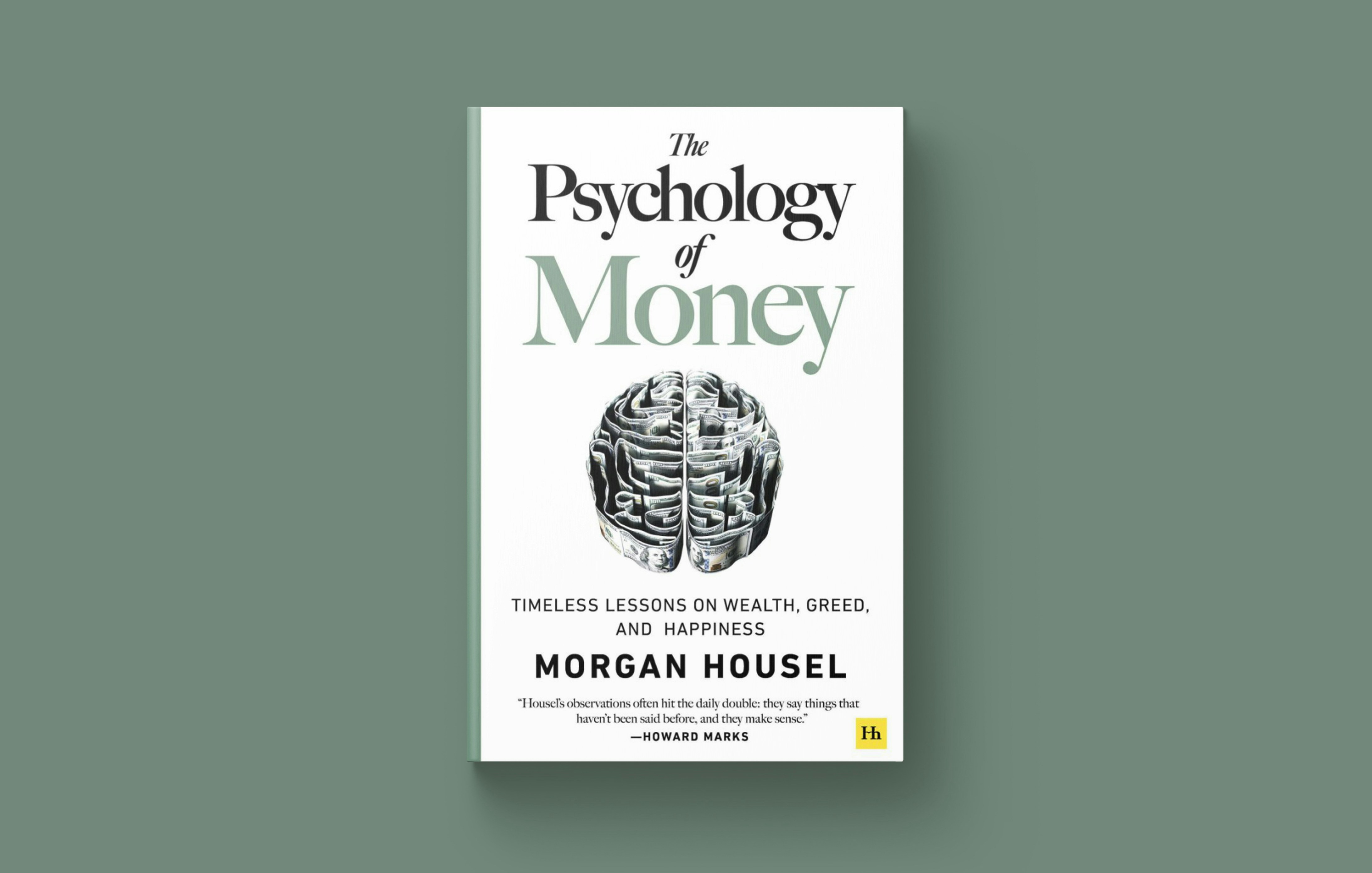
The Psychology of Money by Morgan Housel is more interested in why people make financial decisions than in teaching spreadsheet formulas. That makes it unusually approachable. It explores patience, risk, luck, compounding, status, and the difficulty of recognizing when you have enough.
Its most useful contribution is the reminder that two intelligent people can make different financial choices because they grew up with different experiences. That perspective can make you less eager to copy someone else’s portfolio, lifestyle, or risk tolerance.
Reasons to buy: Short chapters, broad relevance, and useful ideas for both beginners and experienced investors.
Reasons to avoid: Readers looking for a budget template, debt payoff sequence, or exact portfolio will need another book. It changes the way you think about money more than it tells you where every dollar should go.
3. Rich Dad Poor Dad by Robert Kiyosaki — Best for Challenging Financial Assumptions
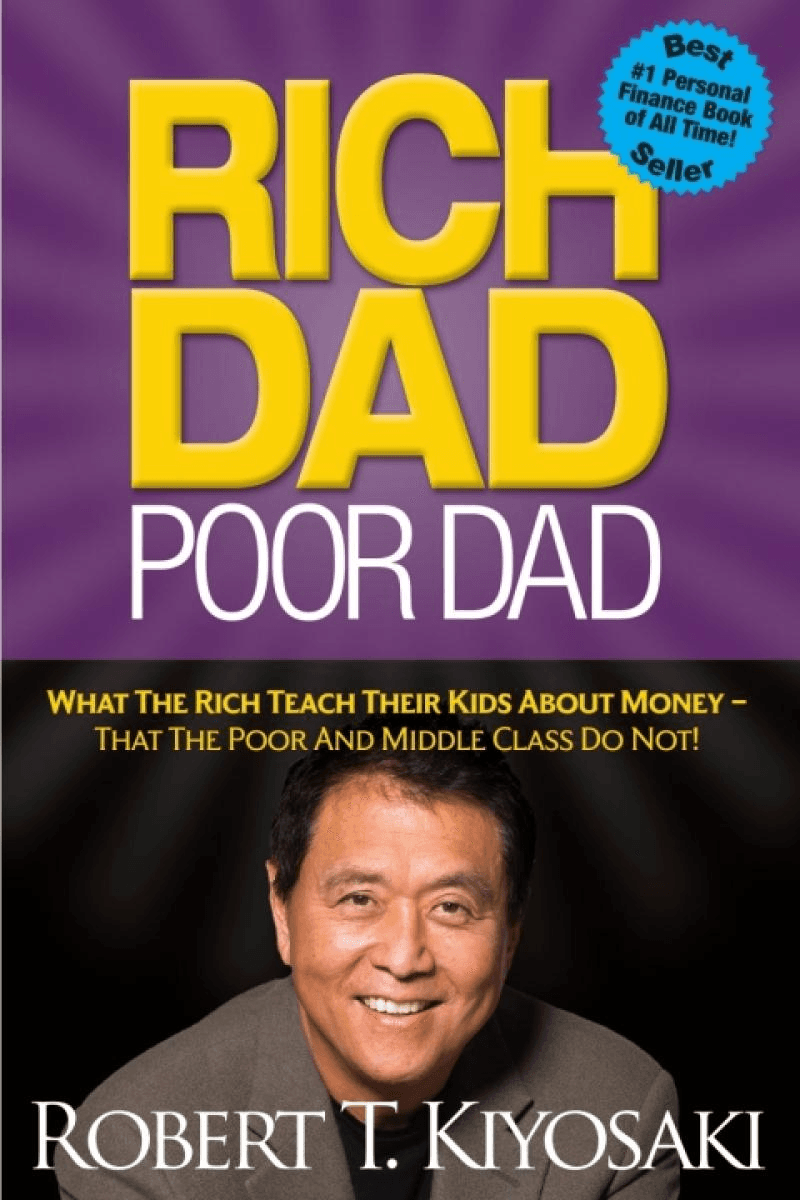
Rich Dad Poor Dad remains popular because its basic contrast is easy to remember: some purchases create income or value, while others continually consume money. It encourages readers to think about ownership, cash flow, and financial education instead of treating a salary as the only possible route to security.
The book can be energizing for someone who has never questioned the traditional school-job-paycheck path. Its weakness is also its simplicity. Real assets, liabilities, taxes, businesses, and investments are more complicated than a memorable diagram can show.
Reasons to buy: Accessible, provocative, and likely to start useful conversations about income and ownership.
Reasons to avoid: Do not treat it as current tax, legal, real-estate, or investing instruction. Read it for perspective, then verify any specific financial action with reliable, up-to-date sources.
4. Man’s Search for Meaning by Viktor E. Frankl — Best for Meaning and Resilience
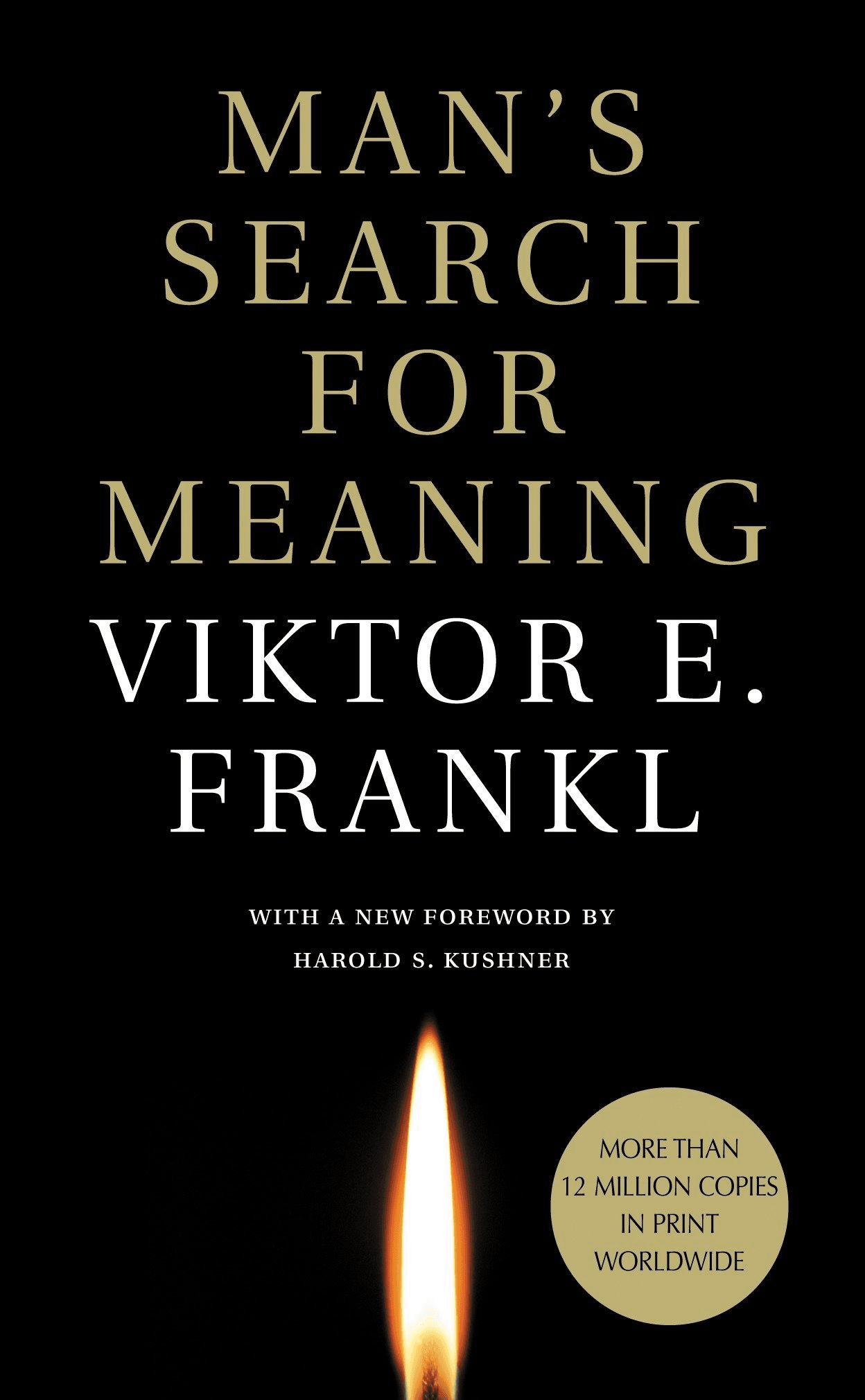
Man’s Search for Meaning is fundamentally different from the productivity books around it. Frankl combines his account of surviving Nazi concentration camps with an introduction to his approach to meaning-centered psychotherapy.
Its value is not a morning routine or a list of tricks. It asks what remains within a person’s responsibility when much of life cannot be controlled. Readers going through grief, uncertainty, or a loss of direction may find that question more useful than another system for optimizing a calendar.
Reasons to buy: Brief, serious, and capable of changing how you understand purpose and suffering.
Reasons to avoid: The historical material is emotionally difficult, and readers should not expect a light or conventional self-help book.
5. Thinking, Fast and Slow by Daniel Kahneman — Best for Understanding Bad Decisions
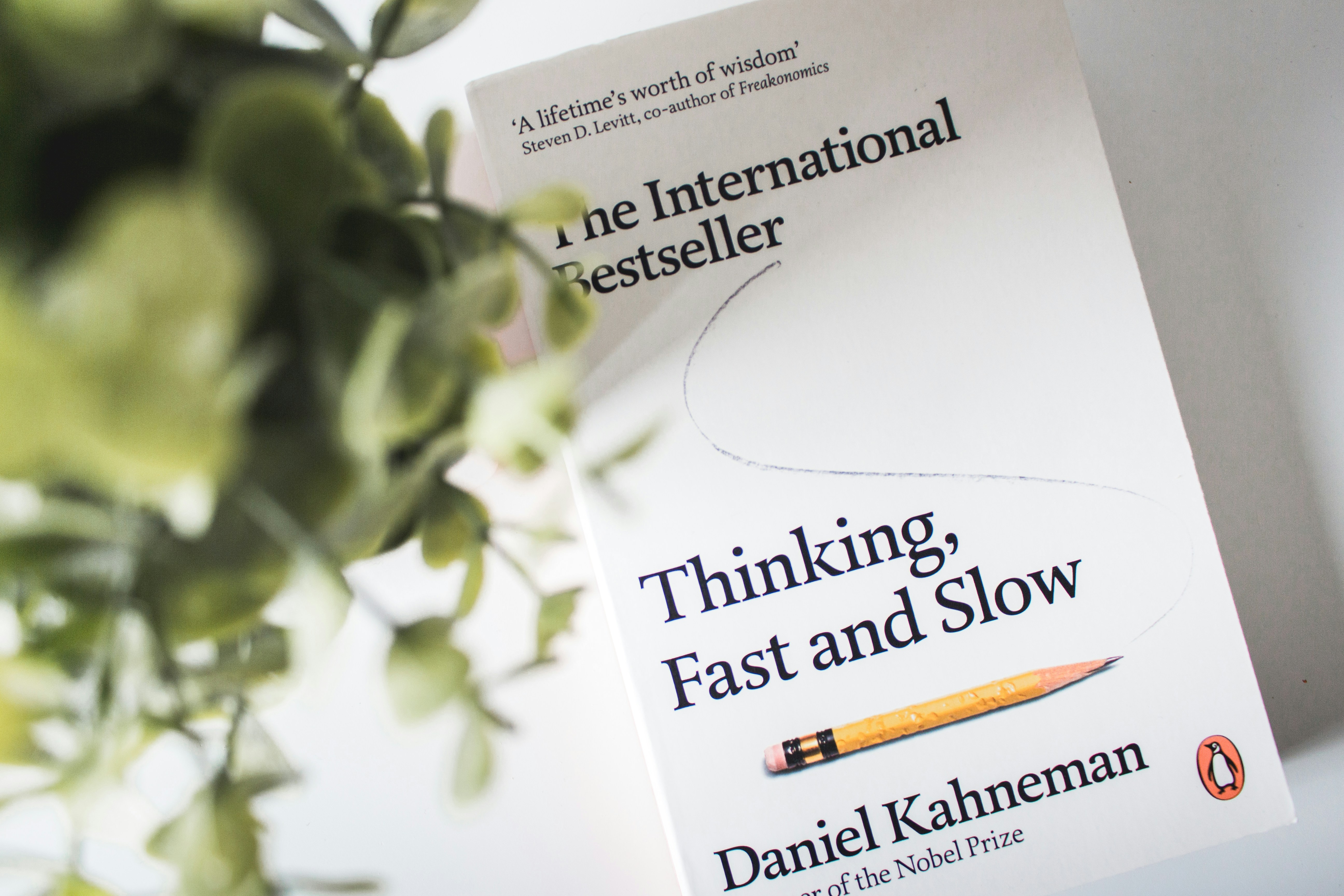
Thinking, Fast and Slow examines the tension between quick, intuitive judgment and slower, more deliberate thought. It gives readers language for recurring mistakes involving confidence, loss, probability, framing, and prediction.
The practical payoff appears when a decision feels obvious. That is often the moment to ask whether the answer is genuinely clear or simply easy for the mind to produce. The book can improve how you evaluate purchases, forecasts, workplace decisions, and your certainty about being right.
Reasons to buy: Ambitious scope and a durable framework for thinking about judgment.
Reasons to avoid: It is long and cognitively demanding. Readers mainly seeking quick actions may get more immediate value from Atomic Habits or Never Split the Difference.
6. How to Win Friends and Influence People by Dale Carnegie — Best for Everyday Relationships
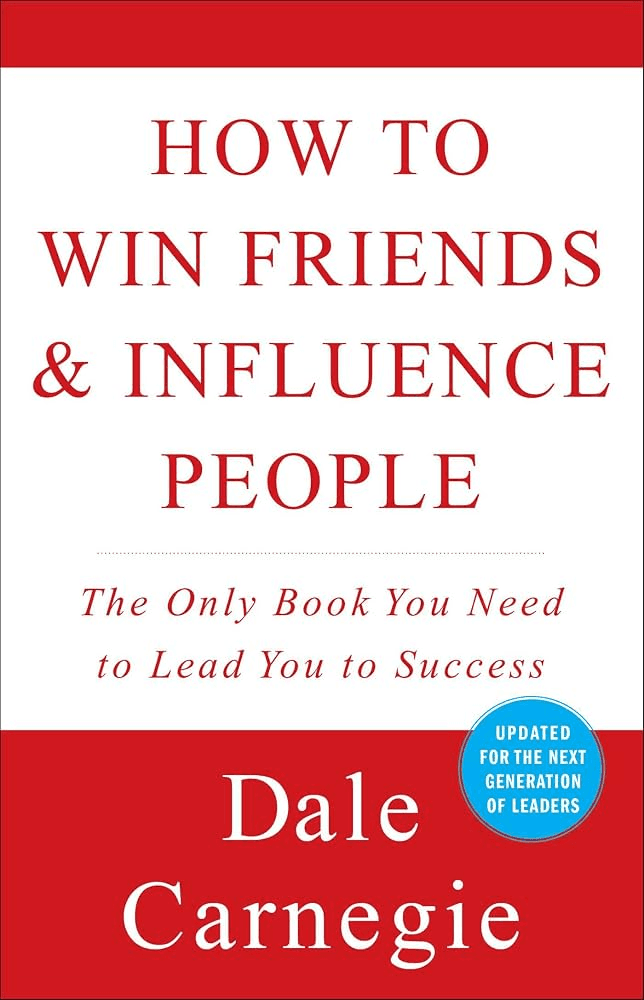
How to Win Friends and Influence People has lasted because its core social advice remains recognizable: listen carefully, show sincere interest, avoid unnecessary criticism, and let people preserve their dignity.
Used well, the book is less about manipulating people and more about reducing needless friction. Remembering a name, asking a real follow-up question, or beginning a disagreement by acknowledging the other person’s position can improve work, friendships, and customer conversations.
Reasons to buy: Easy to understand, broadly useful, and filled with principles that can be practiced immediately.
Reasons to avoid: Some examples and language feel dated. The techniques also become unpleasant when performed mechanically rather than backed by genuine respect.
7. The 7 Habits of Highly Effective People by Stephen R. Covey — Best Big-Picture Framework
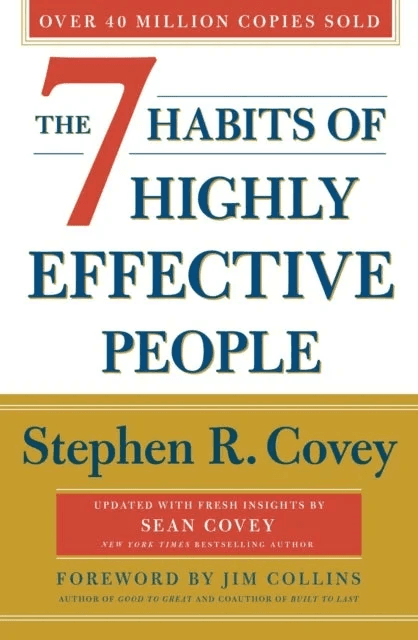
The 7 Habits of Highly Effective People is broader than a productivity manual. It moves from personal responsibility and priorities to cooperation, listening, and renewal. Its strongest ideas include beginning with the end in mind and protecting important work before it becomes urgent.
This is a good choice for someone who wants one framework connecting values, planning, and relationships. It is not the fastest book on the list, but it rewards readers who revisit its concepts at different stages of life.
Reasons to buy: Comprehensive, principle-led, and useful for both personal and professional decisions.
Reasons to avoid: The corporate tone and repeated explanations can feel heavy. Readers with one narrow goal may prefer a more focused book.
8. I Will Teach You to Be Rich by Ramit Sethi — Best Practical Money System for U.S. Readers
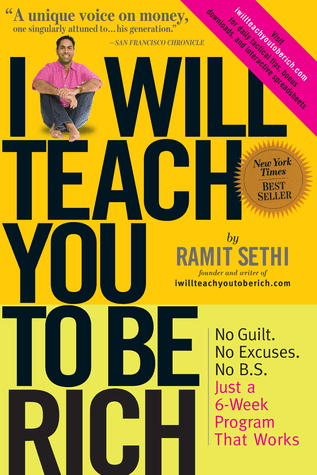
I Will Teach You to Be Rich turns personal finance into a sequence of actions: organize accounts, automate bills and savings, understand credit, invest consistently, and spend intentionally on what you value.
Its “rich life” framing is useful because it avoids treating deprivation as the only sign of financial responsibility. A plan is easier to sustain when it protects some enjoyable spending instead of demanding permanent guilt.
Reasons to buy: Concrete steps, direct writing, and especially relevant to younger adults in the United States.
Reasons to avoid: Some account, credit, retirement, and tax details are U.S.-specific and may change over time. Readers should verify current rules and product terms before acting.
9. Never Split the Difference by Chris Voss and Tahl Raz — Best for Negotiation
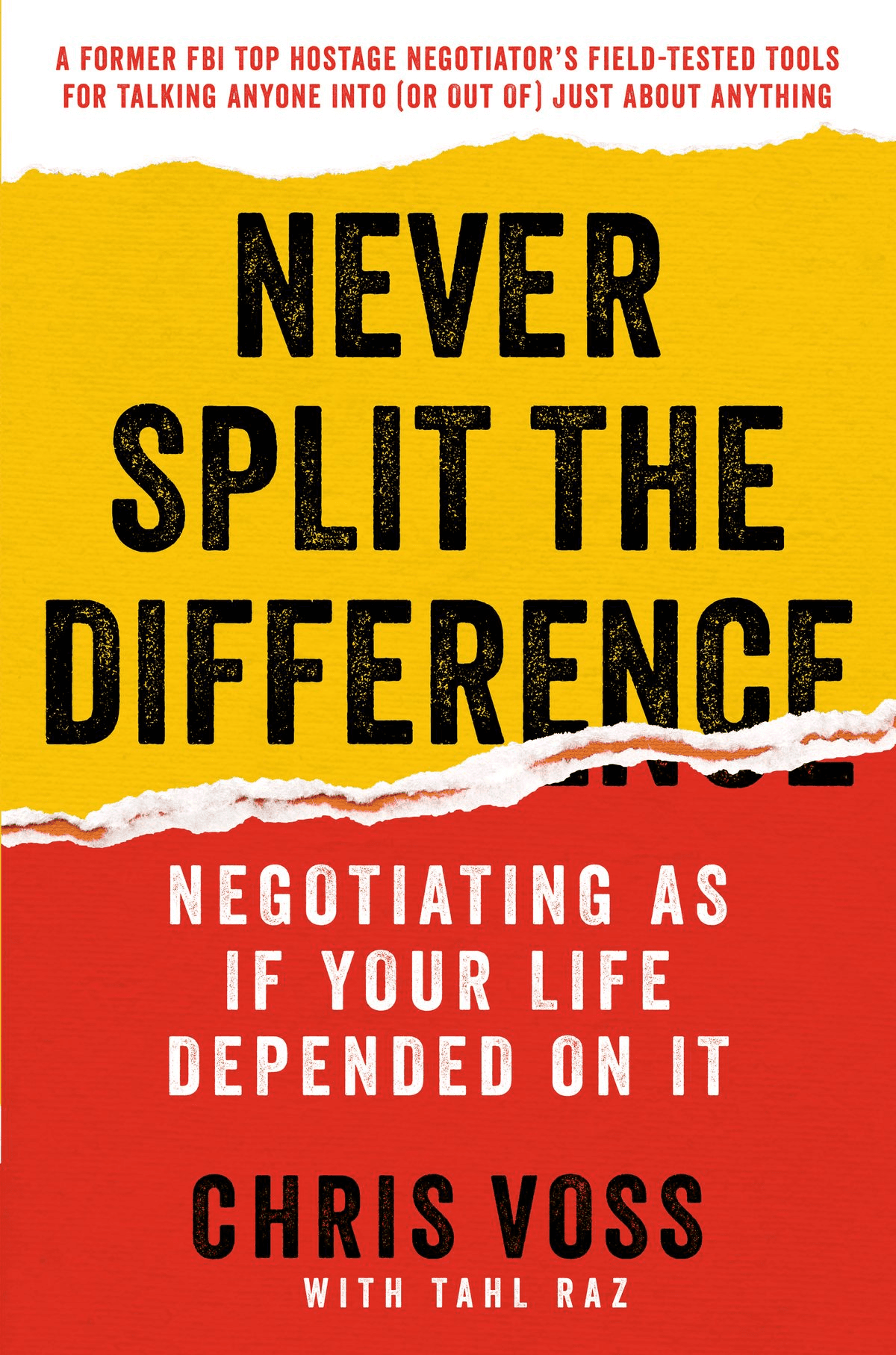
Never Split the Difference translates hostage-negotiation experience into techniques for work and everyday conversations. Mirroring, labeling emotions, calibrated questions, and inviting a comfortable “no” can help uncover information that a blunt demand would miss.
The book becomes practical when you have to negotiate a salary, deadline, purchase, contract, or division of responsibilities. Its deeper lesson is that listening is not passive; it helps you understand what is actually preventing agreement.
Reasons to buy: Memorable tools and realistic examples with clear applications.
Reasons to avoid: Copying the phrases too literally can make a conversation feel scripted. The methods work best when paired with honest intent and good judgment.
10. Deep Work by Cal Newport — Best for Focus
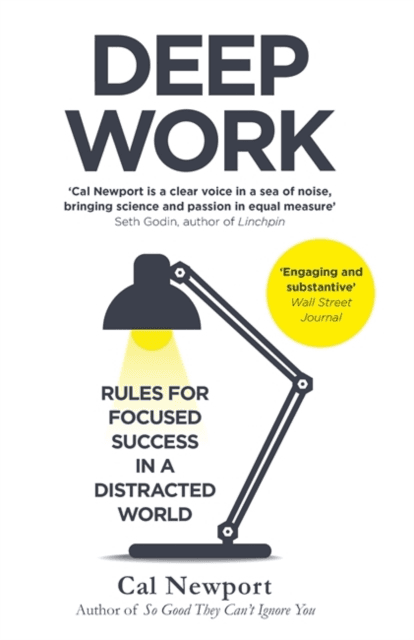
Deep Work argues that sustained, distraction-free concentration is both valuable and trainable. Its strongest contribution is treating focus as something that requires scheduled protection, not a mood you wait to feel.
For a student, writer, programmer, creator, or remote worker, even one protected hour can be more productive than an afternoon broken into notifications and quick checks. The book also pushes readers to question whether visible busyness is producing anything important.
Reasons to buy: Strong case for focused work and several ways to structure it.
Reasons to avoid: The advice fits knowledge work more easily than care, retail, service, or operational jobs where interruptions are part of the role.
11. The Millionaire Next Door by Thomas J. Stanley and William D. Danko — Best for Quiet Wealth
The Millionaire Next Door challenges the assumption that wealthy people always look wealthy. Its enduring lesson is that income, visible consumption, and actual net worth are different things.
That matters in the age of social media. A new car or luxury trip is visible; the account balance not spent to create that image is not. The book can help readers value saving, consistency, and independence over performing success for other people.
Reasons to buy: A useful correction to status-driven ideas about wealth.
Reasons to avoid: The research and examples reflect an earlier era, so readers should not assume every demographic pattern or dollar figure maps neatly onto life today.
12. Mindset by Carol S. Dweck — Best for Rethinking Ability
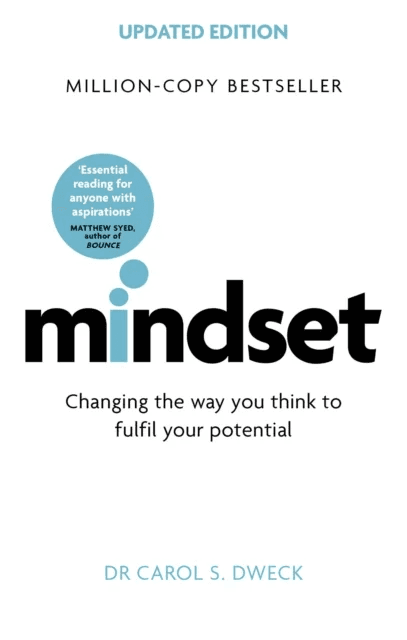
Mindset explores the difference between treating ability as fixed and viewing it as something that can develop through effort, strategy, feedback, and learning. The idea is especially useful when failure begins to feel like evidence about identity.
Instead of “I am bad at this,” a growth-oriented response asks what skill, method, or practice is missing. That small change can affect school, work, sports, parenting, and creative projects.
Reasons to buy: Memorable core concept with broad applications.
Reasons to avoid: “Just have a growth mindset” can become an empty slogan. Effort alone is not enough; resources, instruction, opportunity, and effective strategy still matter.
13. The Simple Path to Wealth by J.L. Collins — Best Simple Investing Philosophy
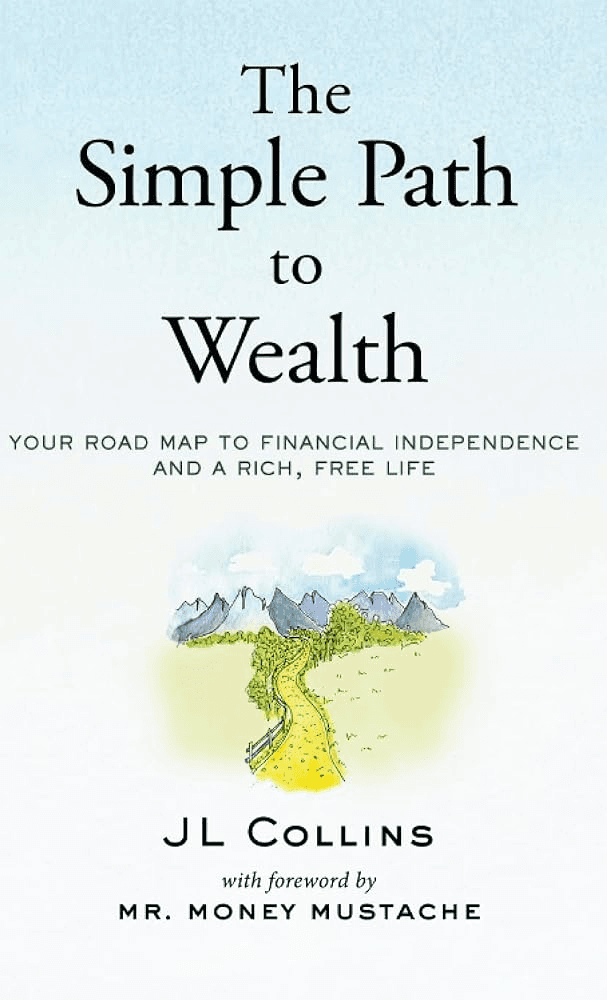
The Simple Path to Wealth makes the case for spending less than you earn, avoiding unnecessary debt, and using simple, low-cost investing rather than constantly chasing the next winning idea.
Its appeal is reduction. Many people do not need a more exciting investment strategy; they need one understandable enough to follow through good markets, bad markets, and boring months. The book is particularly useful for readers intimidated by financial jargon.
Reasons to buy: Clear voice, simple philosophy, and long-term perspective.
Reasons to avoid: Investment products, taxes, and account rules require current verification, and some specifics are centered on the United States. Simplicity does not remove market risk.
14. Emotional Intelligence by Daniel Goleman — Best for Understanding Emotions at Work
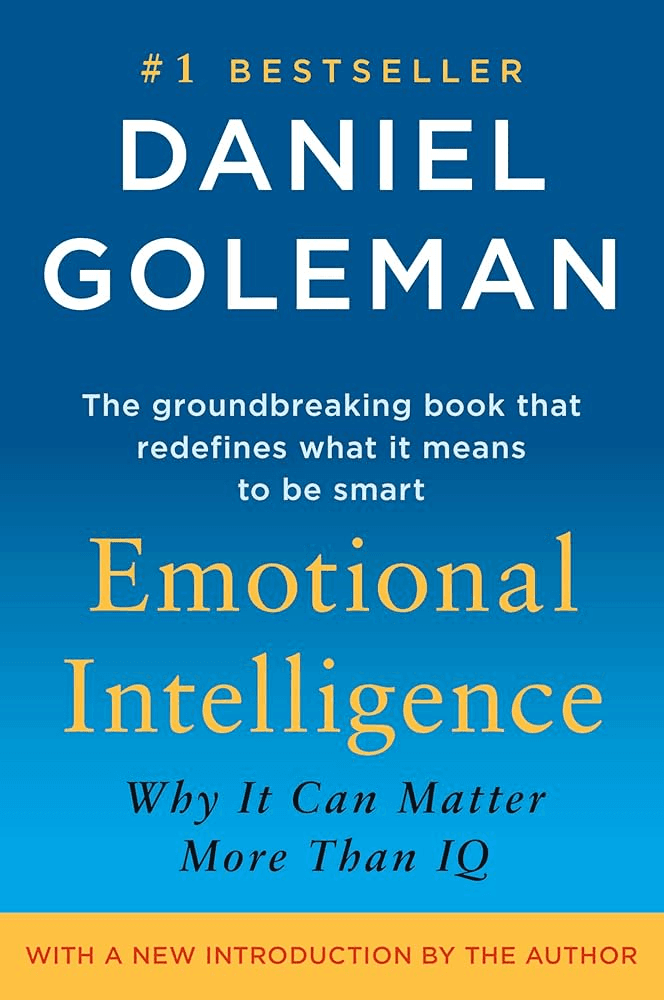
Emotional Intelligence helped popularize the idea that recognizing and regulating emotions matters alongside traditional measures of intelligence. Its themes include self-awareness, impulse control, empathy, motivation, and social skill.
The everyday value appears before a difficult conversation. Noticing that you are embarrassed, defensive, or angry creates a small gap between feeling something and acting on it. That gap can prevent an unnecessary argument or careless message.
Reasons to buy: Foundational overview with relevance to leadership and relationships.
Reasons to avoid: It is longer and less immediately actionable than newer, narrower guides. Buy it for depth, not a quick checklist.
15. The Intelligent Investor by Benjamin Graham — Best for Serious Investing Students
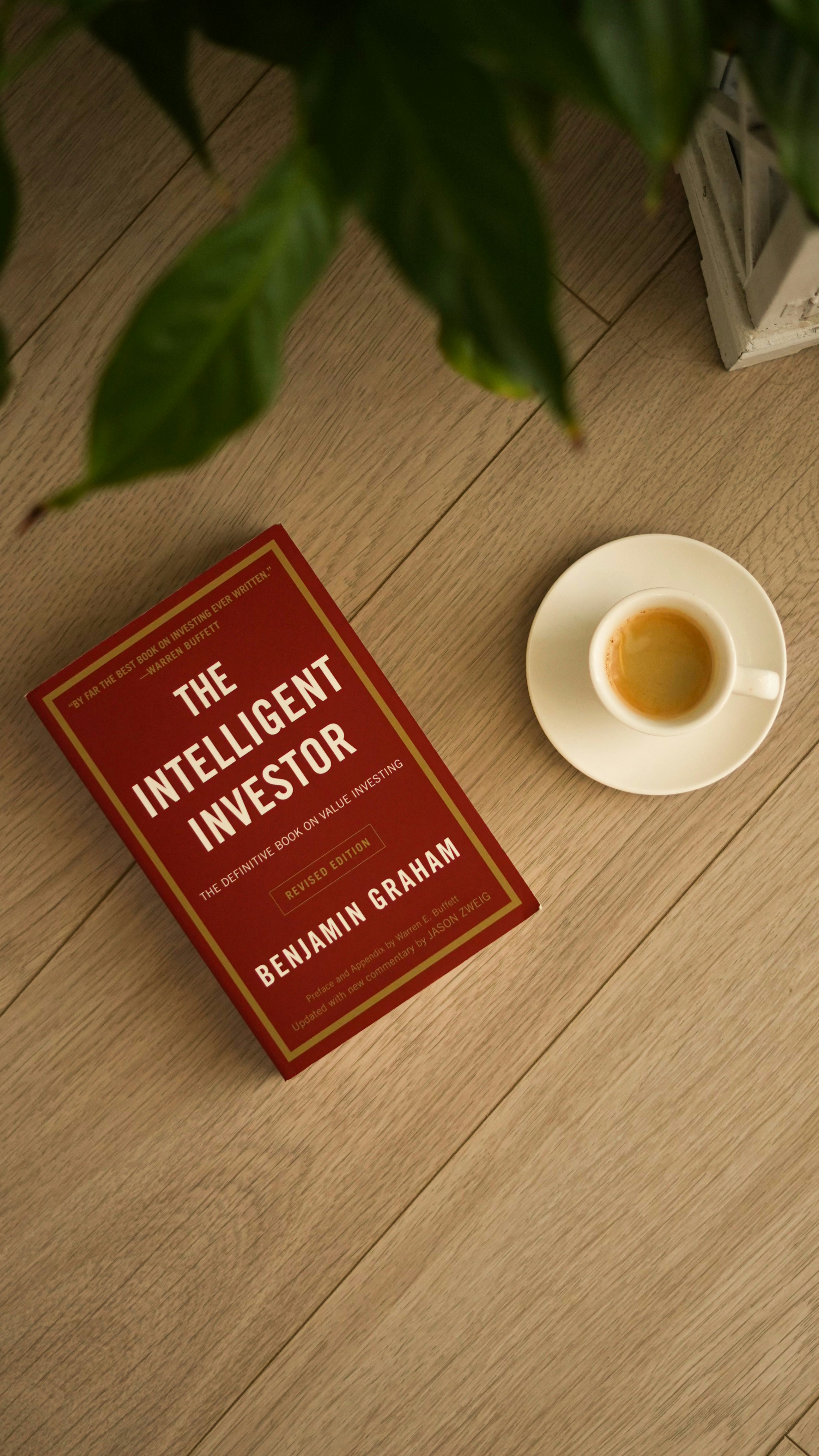
The Intelligent Investor is the most specialized book in this ranking. Its durable ideas include separating investment from speculation, demanding a margin of safety, and controlling emotional reactions to market prices.
It is most valuable for someone who genuinely wants to study investing, not simply improve a household budget. The book can teach patience and skepticism, but it requires more concentration than the friendlier money books above it.
Reasons to buy: Deep investing framework and an emphasis on discipline rather than hype.
Reasons to avoid: Dense, dated in places, and unnecessary for readers who only want a straightforward personal-finance system or diversified long-term approach.
16. The Subtle Art of Not Giving a F*ck by Mark Manson — Best for Reconsidering Priorities
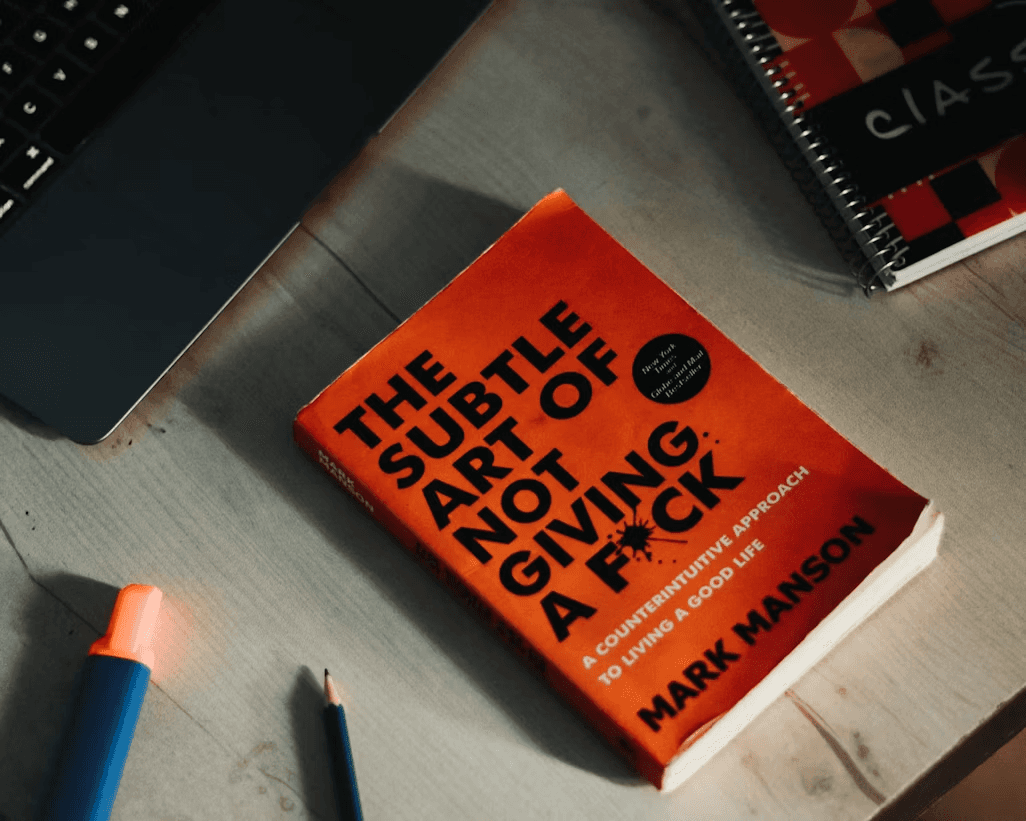
The Subtle Art of Not Giving a F*ck argues that a satisfying life does not come from caring about nothing. It comes from choosing more carefully what deserves your limited concern, effort, and discomfort.
That distinction is helpful for people exhausted by constant positivity or comparison. You cannot avoid every difficult feeling, but you can decide which problems are worth having. The book’s blunt humor makes the message more accessible to some readers and less appealing to others.
Reasons to buy: Entertaining, direct, and good at challenging vague self-help optimism.
Reasons to avoid: Repetitive in places, deliberately profane, and lighter on structured exercises than Atomic Habits.
17. Digital Minimalism by Cal Newport — Best for Reclaiming Attention
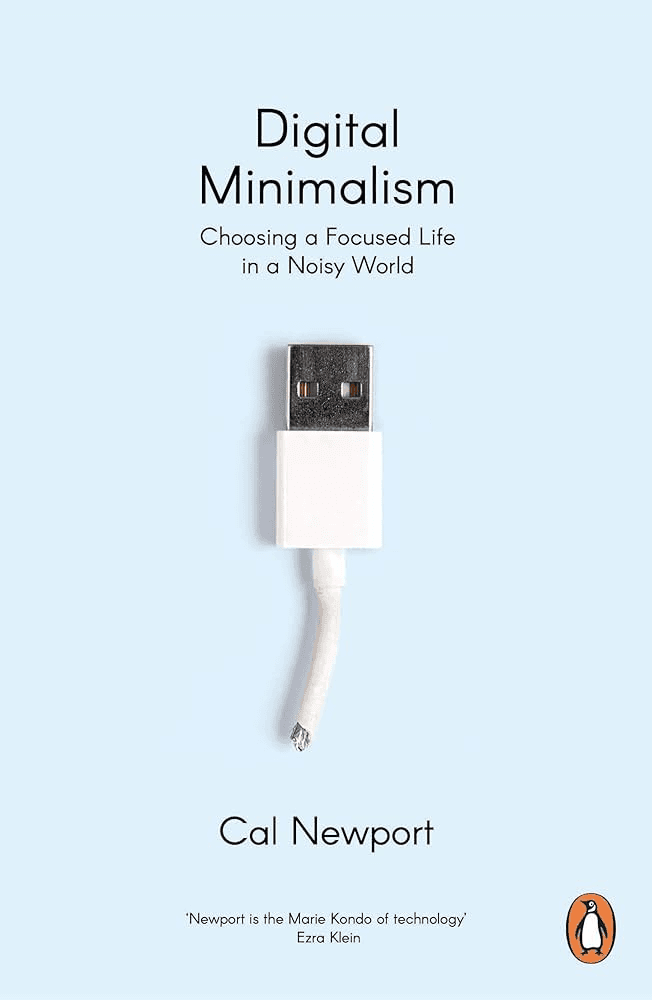
Digital Minimalism asks a better question than “How can I reduce screen time?” It asks which technologies genuinely support your values and which have quietly become defaults.
The difference matters. Turning off one notification may help for an afternoon; redesigning when and why you use a platform can change the shape of a week. This is a useful book for anyone who repeatedly opens an app without deciding to do so.
Reasons to buy: Clear philosophy, practical reset ideas, and a focus on intentional use rather than rejecting technology.
Reasons to avoid: The recommended changes require commitment and may be difficult when work, family, or community life depends on the same platforms.
18. Quiet by Susan Cain — Best for Introverts
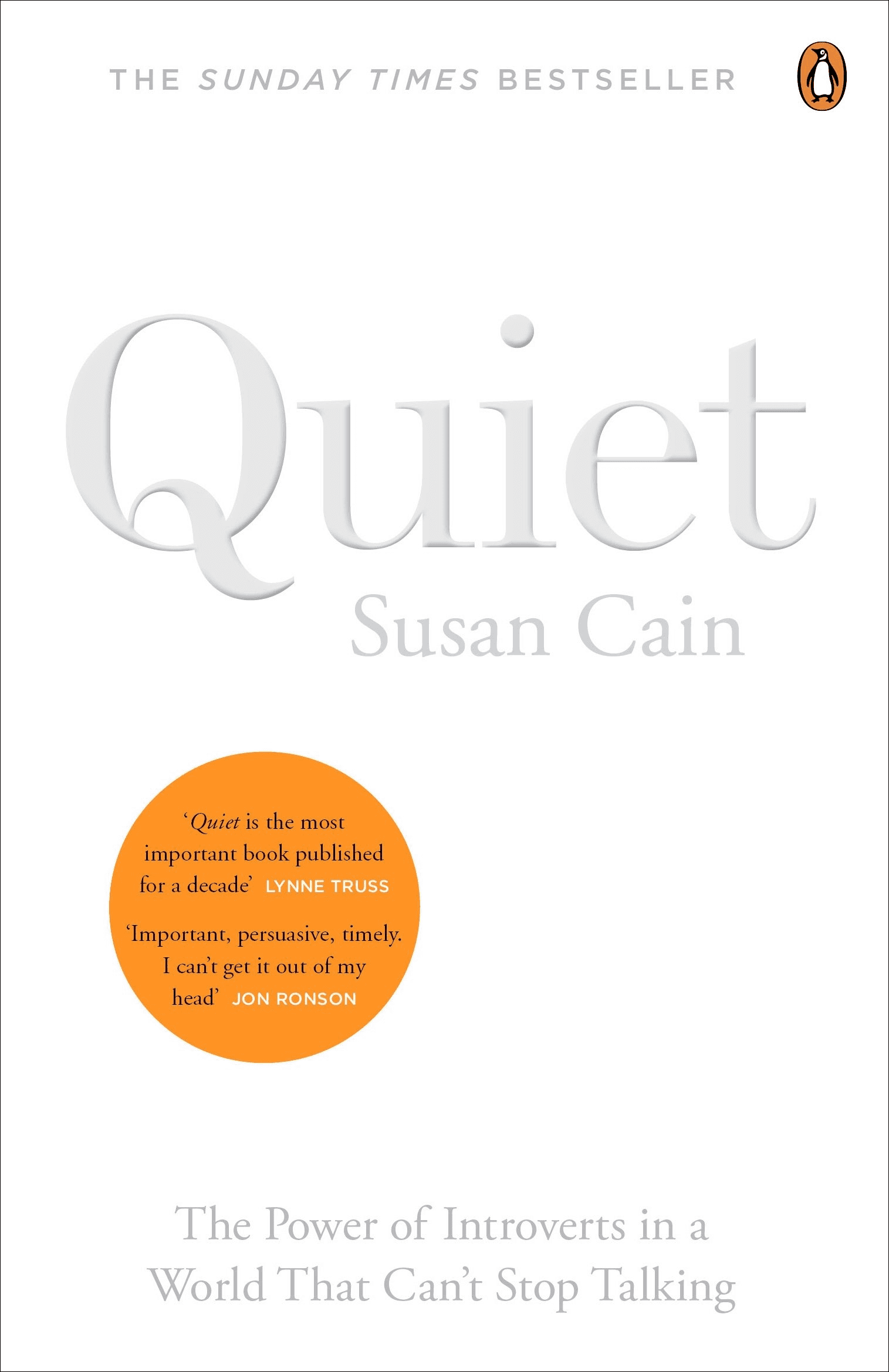
Quiet examines cultures that reward quick speech, constant collaboration, and visible confidence. It makes a strong case for reflection, preparation, careful listening, and environments that allow concentration.
For an introverted reader, the value may be permission rather than technique: you do not have to imitate the loudest person in the room to contribute. For managers and teachers, it is a reminder that the first answer is not always the best one.
Reasons to buy: Validating, thoughtful, and useful for designing better work and learning environments.
Reasons to avoid: Introversion and extroversion are not rigid boxes. Readers should avoid turning a helpful pattern into a permanent excuse or identity limit.
19. Flow by Mihaly Csikszentmihalyi — Best for Understanding Absorbing Work
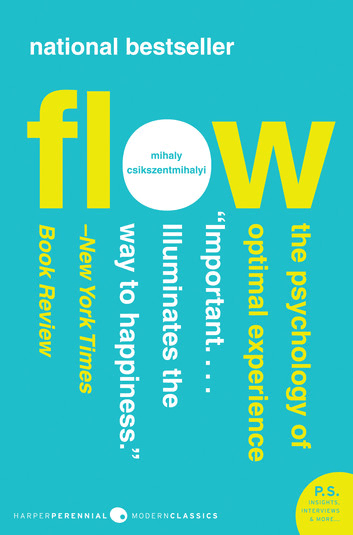
Flow explores the state of deep involvement in an activity where challenge and skill are well matched. It helps explain why some demanding experiences feel more satisfying than passive comfort.
The idea can improve how you choose hobbies, structure practice, or design work. A task that is far too easy becomes boring; one that is far too difficult becomes discouraging. Adjusting the challenge can make engagement more likely.
Reasons to buy: Influential concept with applications across work, sport, art, and leisure.
Reasons to avoid: More conceptual than tactical. Readers seeking a day-by-day focus plan should choose Deep Work instead.
20. The Power of Now by Eckhart Tolle — Best for Present-Moment Awareness
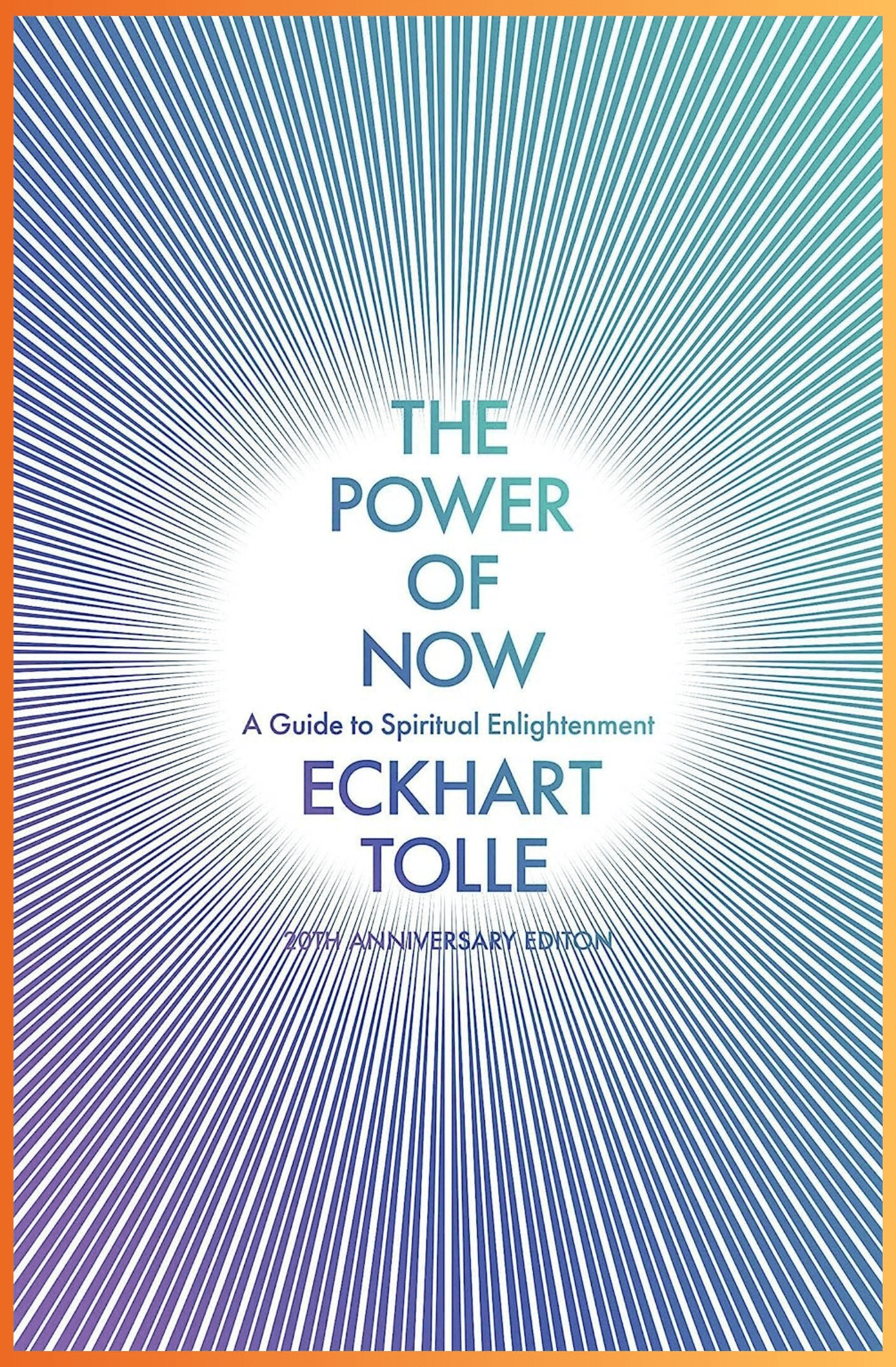
The Power of Now focuses on the tendency to become trapped in regret about the past or anxiety about the future. Its central invitation is to notice thought without automatically identifying with every thought.
Readers drawn to spirituality and mindfulness may find the book calming and perspective-shifting. Readers who prefer evidence-led, practical instruction may struggle with its abstract language.
Reasons to buy: A focused exploration of presence and mental distance from constant thought.
Reasons to avoid: Spiritual framing, repetition, and abstraction make it highly dependent on personal taste. It should not be treated as a replacement for mental-health care.
21. Your Money or Your Life by Vicki Robin and Joe Dominguez — Best for Connecting Money and Time
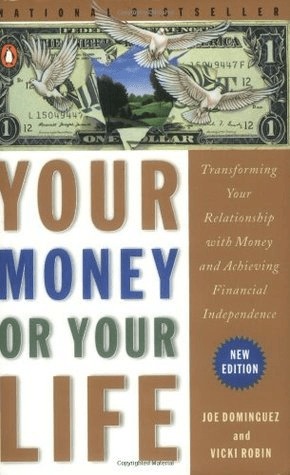
Your Money or Your Life reframes spending as an exchange of life energy rather than numbers leaving an account. That can make a routine purchase feel different: how many hours of work, commuting, recovery, and related expense were required to pay for it?
The book is especially useful for readers who earn enough to survive but still feel that their financial life lacks direction. It connects tracking, values, independence, and the question of what “enough” means.
Reasons to buy: Distinctive framework and a serious examination of the relationship between work, time, and consumption.
Reasons to avoid: The exercises require patience, and some financial details need updating or adapting to the reader’s circumstances.
22. Educated by Tara Westover — Best Memoir About Reinvention

Educated is a memoir rather than a traditional self-improvement guide. Westover’s story explores family loyalty, isolation, education, memory, and the difficult process of developing an independent understanding of the world.
The book does not hand the reader a five-step plan, which is part of its value. It shows that growth can involve grief, conflict, and uncertainty rather than a smooth upward line. Readers who learn best through story may remember it longer than a manual.
Reasons to buy: Compelling narrative and a nuanced picture of education as personal transformation.
Reasons to avoid: Choose something else if you need direct exercises, financial guidance, or a practical weekly system.
23. Steal Like an Artist by Austin Kleon — Best Quick Read for Creators
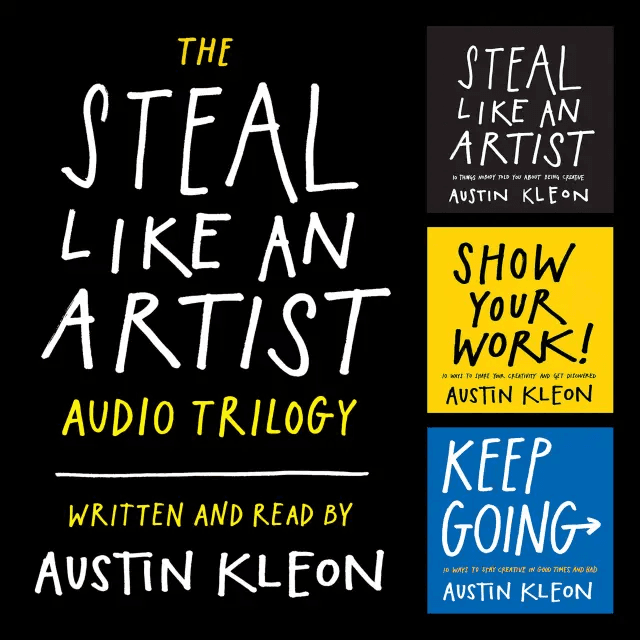
Steal Like an Artist is a short, visual book about creative influence. Its title is not permission to copy. The point is that creative work grows from studying what you admire, combining influences, practicing, and gradually developing your own voice.
It is particularly useful when the pressure to be completely original prevents you from making anything. A designer, writer, video creator, or student can finish it quickly and begin a small project the same day.
Reasons to buy: Fast, encouraging, visually engaging, and easy to revisit.
Reasons to avoid: Experienced creators may find the ideas familiar, and readers outside creative work may get more value elsewhere.
24. Four Thousand Weeks by Oliver Burkeman — Best Antidote to Productivity Anxiety
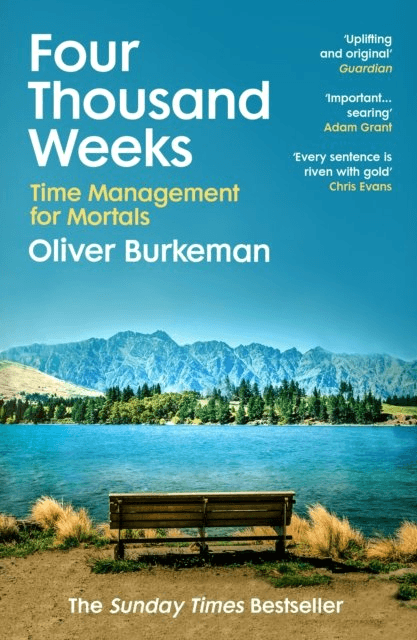
Four Thousand Weeks starts from an uncomfortable fact: time is limited, and no productivity system will allow you to do everything. Instead of promising perfect control, it asks readers to choose what deserves their finite attention.
This is refreshing for anyone whose efficiency tools have created more pressure rather than more freedom. The book is not anti-planning. It is against the fantasy that completing every task will finally produce a permanent feeling of being caught up.
Reasons to buy: Thoughtful, humane, and meaningfully different from conventional time-management books.
Reasons to avoid: Readers wanting schedules, templates, and optimization tactics may find it too philosophical.
25. Meditations by Marcus Aurelius — Best Book to Revisit for Life
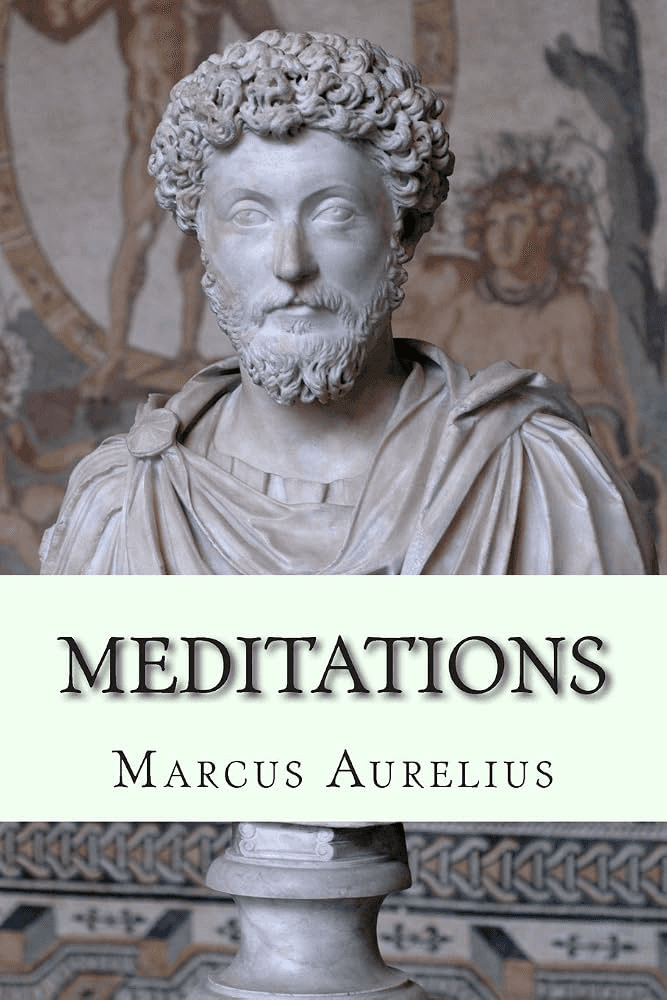
Meditations collects private reflections written by the Roman emperor Marcus Aurelius. The entries return to responsibility, character, mortality, attention, and the difference between what you control and what you do not.
It ranks last only because it is less straightforward for a first-time self-improvement reader. It is not a modern argument with a clean beginning and conclusion. Its value grows through rereading a few passages at a time.
Reasons to buy: Compact wisdom, strong reread value, and a durable perspective on control and conduct.
Reasons to avoid: Fragmented structure and historical context can make it feel distant. Translation choice also affects readability.
What Are the Best Books About Money Mindset?
The right money book depends on whether your problem is behavior, organization, investing, or purpose.
Start with The Psychology of Money if you want to understand risk, patience, status, and behavior.
Choose Rich Dad Poor Dad if you want to challenge assumptions about work, ownership, and income.
Choose I Will Teach You to Be Rich if you want a practical U.S.-focused system for accounts, automation, saving, and spending.
Choose The Simple Path to Wealth if investing feels unnecessarily complicated.
Choose Your Money or Your Life if you want to examine what earning and spending cost in time.
Choose The Intelligent Investor only if you want deeper study of value investing.
Many books on “rich mindset” promise that belief alone produces wealth. The better books connect mindset to behavior: saving, learning, negotiating, managing risk, and repeating sensible decisions. If you want to master your money mindset, begin with Housel, then add Sethi for action. That pairing is more useful than buying five overlapping books about abundance.
How to Make One Book Worth More Than Five
Buy for the next 30 days
Pick the problem that will matter this month. If your phone breaks your concentration, choose Digital Minimalism or Deep Work. If money disappears without a plan, choose I Will Teach You to Be Rich. If you know what to do but never repeat it, choose Atomic Habits.
Capture one action per chapter
Do not highlight every sentence that sounds intelligent. At the end of a chapter, write down one decision, question, or experiment. If there is nothing you would use, move on rather than decorating the page.
Run one experiment before buying another book
Try a scheduled focus block, an automated savings transfer, a changed phone setting, a prepared conversation, or a redesigned habit cue. Give it enough time to produce evidence. The goal is not to agree with the author; it is to discover what works in your life.
Choose the format around the job
Audiobooks work well for narrative titles such as Educated and for rereading familiar ideas while commuting or walking. Print or ebook editions are usually better for exercise-heavy or reference-style books such as I Will Teach You to Be Rich, Atomic Habits, and The 7 Habits of Highly Effective People. The best format is the one you will actually use, not the one that looks best on a shelf.
Final Verdict: Which Book Is Most Worth Your Cart?
If you buy only one, Atomic Habits is the strongest overall choice. It offers a practical method, works across many goals, and makes it easy to begin with a change small enough to repeat.
For money, choose The Psychology of Money if your decisions are shaped by fear, comparison, impatience, or uncertainty. Follow it with I Will Teach You to Be Rich when you want a more concrete system. For a short book with a large emotional impact, Man’s Search for Meaning is the standout. For a quick creative push, Steal Like an Artist offers the lowest time commitment.
The most important trade-off is depth versus immediate action. Thinking, Fast and Slow, Emotional Intelligence, and The Intelligent Investor reward patient study. Atomic Habits, Never Split the Difference, and Steal Like an Artist make it easier to do something immediately.
These books can help change your life, but the purchase itself is not the change. Buy the one that matches your current problem, finish it, and use one idea before adding another title to your cart.
FAQ
Can a self-improvement book really change your life?
A book can change your interpretation of a problem or give you a useful method, but results require action. The most realistic goal is not instant transformation; it is one better decision repeated long enough to matter.
What is the best self-improvement book for beginners?
Atomic Habits is the best starting point for most beginners because the framework is clear, practical, and applicable to money, health, study, work, and personal routines.
What is the best book about money mindset?
The Psychology of Money is the best general choice. It explains why behavior, experience, patience, risk, and expectations can matter as much as financial knowledge. It should be paired with a practical finance guide if you need exact steps.
Is Rich Dad Poor Dad still worth reading?
Yes, if you read it as a mindset book that challenges assumptions about income, assets, and ownership. It is not enough as a current technical guide to investing, tax, real estate, or business.
What are the best books on wealth mindset for practical readers?
Start with The Psychology of Money, then read I Will Teach You to Be Rich for a concrete system. Add The Simple Path to Wealth if you want a simple long-term investing philosophy.
Should I read several books at once?
Usually not. One main book plus a lighter audiobook can work, but several advice-heavy books often compete for attention. Finishing and applying one relevant book usually creates more value.
Popular Posts
Keep reading
Related articles

