Books
·
10 products compared
Last updated
9.5
⭐ Best Value Pick
Best overall pick
Best Personal Finance Booksrt
Affiliate disclosure: WorthTheCart may earn a commission from qualifying purchases. This does not affect our editorial opinions, rankings, or recommendations.

Most people spend years in school without learning how money actually works.
We are taught how to prepare for a job, follow instructions, and earn a paycheck. We are rarely taught how to build assets, understand investing, control debt, create additional income, or design a financial system that can eventually give us more freedom.
That is why a genuinely good personal finance book can be so valuable.
The best books about money are not simply collections of budgeting tips. They can change how you view work, spending, ownership, investing, risk, and the relationship between your time and your income. A single idea from the right book may influence decisions you continue making for decades.
For this guide, we selected ten of the best personal finance books for different types of readers. Some focus on building wealth. Others focus on paying off debt, investing, creating additional income, understanding financial behavior, or becoming more intentional with money.
Our number-one choice is Rich Dad Poor Dad. It is not the most detailed investing manual on this list, but few personal finance books are as effective at forcing readers to question what they have been taught about income, assets, liabilities, and financial security.
The Best Personal Finance Books at a Glance
Rank | Book | Best for | WorthTheCart score |
|---|---|---|---|
1 | Understanding assets, liabilities, and wealth-building | 9.5/10 | |
2 | Developing ambition, focus, and persistence | 9.3/10 | |
3 | Creating an additional source of income | 9.1/10 | |
4 | Understanding financial behavior | 9.0/10 | |
5 | Building a practical financial system | 8.9/10 | |
6 | Paying off debt and regaining control | 8.7/10 | |
7 | Connecting money with time and freedom | 8.6/10 | |
8 | Learning simple long-term investing | 8.5/10 | |
9 | Understanding how ordinary people build wealth | 8.4/10 | |
10 | Learning timeless financial principles | 8.3/10 |
How We Chose the Best Personal Finance Books
A personal finance book should do more than sound intelligent. It should leave the reader with ideas that can be understood, remembered, and applied.
We considered four main areas when ranking these books:
Value measures how much useful knowledge the reader receives compared with the price and time required to read the book.
Use measures whether the book’s ideas can realistically improve someone’s financial decisions.
Build considers how clearly the book communicates its ideas, how well the chapters work together, and whether the writing keeps the reader engaged.
Regret measures the likelihood that the reader will feel the book was worth purchasing. A high Regret score means there is a relatively low chance of regretting the purchase.
These books should be treated as financial education rather than personalized financial advice. Investment products, taxes, retirement accounts, and financial regulations differ between countries and individual situations.
1. Rich Dad Poor Dad by Robert T. Kiyosaki
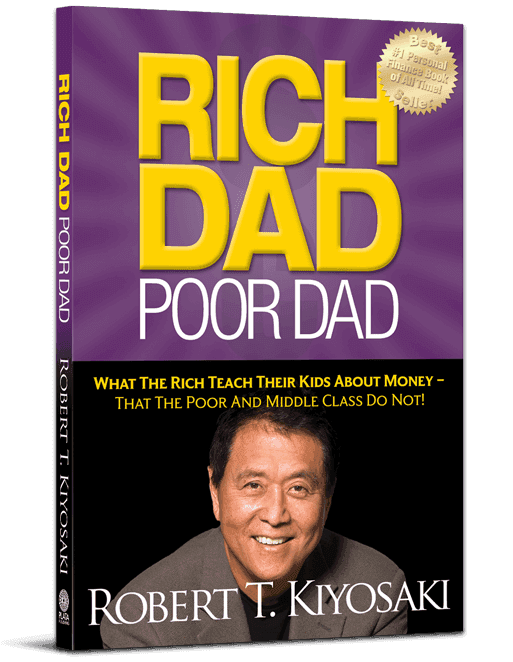
WorthTheCart score: 9.5/10
Best overall personal finance book
There is a reason Rich Dad Poor Dad continues to be one of the most discussed personal finance books ever published.
It does not begin by teaching readers how to create a detailed monthly budget or select a particular investment fund. Instead, it begins with a more fundamental question: What if the way most people have been taught to think about money is incomplete?
Robert Kiyosaki presents the book through lessons associated with two father figures. His “poor dad” represents the conventional path: study hard, earn good grades, find a secure job, receive a salary, and avoid unnecessary risk. His “rich dad” represents a different way of thinking, focused on ownership, business, investing, financial education, and acquiring assets.
The power of the book comes from the contrast between those two mindsets.
The conventional approach is not presented as lazy or unintelligent. In fact, the “poor dad” is highly educated and professionally successful. The problem is that education and a respectable income do not automatically create financial independence.
A person can earn a large salary and still have very little freedom if nearly all that income is required to support a house, cars, consumer debt, subscriptions, and an increasingly expensive lifestyle.
The asset column and the liability column
The most important idea in Rich Dad Poor Dad is the distinction between assets and liabilities.
Kiyosaki simplifies the definition by focusing on cash flow.
An asset puts money into your pocket. A liability takes money out of your pocket.
This definition is intentionally simpler than the definition an accountant might use. Its purpose is to help ordinary readers look past the price or appearance of something and examine what it actually does to their monthly finances.
An asset might include a business that produces profit, a rental property that generates positive cash flow, investments that pay dividends, intellectual property that produces royalties, or another source of income that does not rely entirely on the owner working more hours.
A liability might include consumer debt, an expensive vehicle payment, high-interest credit-card balances, or anything else that creates ongoing expenses without producing enough income to cover them.
Kiyosaki explains that wealthy people generally focus on building the asset column. Their income is used to acquire things that may create additional income. That new income can then be used to acquire more assets, gradually strengthening the person’s financial position.
What side would you call the asset column and which would you call the liability column?
Many middle-class households follow a different pattern. As their income increases, their expenses increase with it. A raise may lead to a larger home, a newer car, more expensive holidays, and higher monthly commitments. They appear wealthier, but their dependence on the next paycheck can remain exactly the same.
This is one of the book’s most important lessons: looking wealthy and being financially secure are not the same thing.
Why the house discussion is so memorable
One of the most controversial parts of Rich Dad Poor Dad is the argument that a primary residence may behave more like a liability than an income-producing asset.
That does not mean owning a home is always a bad financial decision. A home may increase in value, provide stability, remove the need to rent, and become an important part of someone’s long-term net worth.
Kiyosaki’s point is about cash flow.
A home usually requires mortgage payments, insurance, property taxes, maintenance, repairs, heating, electricity, and other expenses. It may be valuable, but it normally does not place spendable cash into the owner’s pocket each month.
The discussion is effective because it teaches readers to evaluate purchases by their financial behavior rather than their label. Something can be valuable and still create significant monthly costs. Something can also look boring or unimpressive while quietly producing income.
The difference between working for money and making money work for you
Most people begin by exchanging time for money. They work a certain number of hours and receive a salary.
There is nothing wrong with that. Employment can provide stability, experience, and the initial income needed to begin saving and investing.
The danger comes when employment is the only financial plan.
If your income stops immediately when you stop working, your financial security depends heavily on your ability to continue selling your time. Illness, unemployment, economic changes, or personal responsibilities can expose how fragile that arrangement is.
Rich Dad Poor Dad encourages readers to use employment income to build assets and skills. The goal is not necessarily to quit a job immediately. The goal is to reduce complete dependence on a single paycheck.
That could mean investing regularly, building a side business, learning valuable skills, buying income-producing assets, or creating something that can continue generating value after the initial work has been completed.
Financial education matters more than simply earning more
Another reason Rich Dad Poor Dad is so effective is that it separates income from financial intelligence.
Someone can earn a lot and still make poor financial decisions. Another person can begin with a much smaller income but gradually build wealth by controlling expenses, understanding taxes, investing consistently, and avoiding destructive debt.
The book argues that financial literacy includes understanding basic accounting, investing, markets, taxes, business structures, and cash flow.
You do not need to become an expert in every area. However, understanding how money moves can help you ask better questions and recognize opportunities or risks that other people may miss.
Why it deserves the number-one position
Rich Dad Poor Dad is not perfect.
It does not provide a complete step-by-step investment strategy. Some examples are simplified, and readers should not assume every idea applies equally to every country, tax system, or financial situation.
However, the book succeeds at something more important: it makes personal finance interesting.
It encourages readers to stop viewing money as something that simply arrives through a paycheck and disappears through expenses. It introduces the idea that financial freedom is built by controlling cash flow, acquiring assets, increasing financial knowledge, and creating income that is not completely tied to time.
For many readers, that is the first major shift in how they understand wealth.
Score breakdown
Value: 9.6
Use: 9.3
Build: 9.4
Regret: 9.6
WorthTheCart verdict
Rich Dad Poor Dad is the best overall choice because it can permanently change how a beginner looks at money.
It will not teach you everything about investing, and it should not be treated as a technical financial manual. Its value comes from teaching readers to examine the difference between income and wealth, assets and liabilities, and financial appearance versus actual financial freedom.
2. Think and Grow Rich by Napoleon Hill
WorthTheCart score: 9.3/10
Best for ambition, focus, and long-term persistence
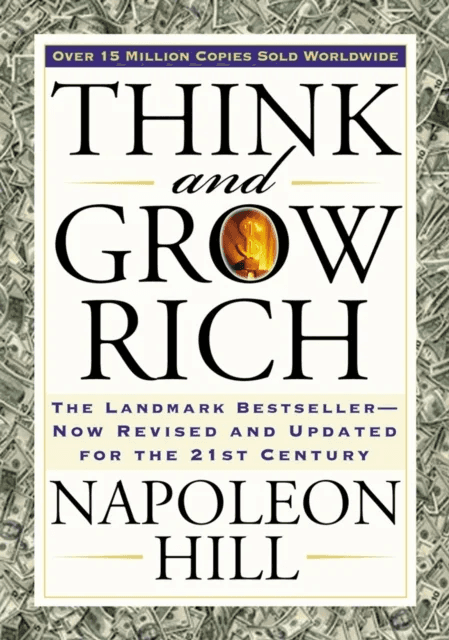
Think and Grow Rich is often placed in the personal finance category, but it is not really a book about budgeting, saving accounts, or investment products.
It is a book about achievement.
Napoleon Hill focuses on the mental habits, decisions, and systems that may help someone turn an ambition into a clearly defined goal. The book was first published in 1937, so some of its language and examples feel noticeably older. However, many of its central principles remain relevant.
The book begins with desire.
Hill argues that simply wanting more money is too vague. Most people would like to earn more, become successful, or improve their lives. That type of general wish does not create a clear direction.
A goal becomes more powerful when it is specific.
How much do you want to earn? What are you willing to do in return? What is the deadline? What plan will you begin following now?
This focus on specificity is one of the strongest parts of Think and Grow Rich. A goal such as “I want to become wealthy” gives you very little guidance. A goal such as “I want to build an additional source of income that earns a specific amount within the next twelve months” creates something that can be broken into actions.
Desire without action is not enough
Although the book is known for discussing belief and positive thinking, its most useful message is not that people can simply imagine themselves into wealth.
Hill repeatedly returns to planning, persistence, decision-making, and organized action.
A person can have a strong desire but still fail if they constantly change direction, delay difficult decisions, or stop when the first plan does not work.
That is why persistence is such an important theme throughout Think and Grow Rich.
Most worthwhile goals take longer than expected. Business ideas fail. Applications are rejected. Investments fall in value. Projects receive little attention. The people who eventually succeed are often not the people who avoided setbacks, but the people who continued adjusting and working after those setbacks occurred.
Specialized knowledge and the willingness to keep learning
Hill also distinguishes between general knowledge and specialized knowledge.
Knowing many facts does not necessarily create value. Knowledge becomes financially useful when it can be organized and applied to solve a problem.
For example, knowing that online marketing exists is general knowledge. Knowing how to create profitable advertising campaigns for a specific type of business is specialized knowledge.
Understanding that investing is important is general knowledge. Understanding how costs, taxes, diversification, and risk affect a portfolio is more specialized.
This lesson is especially relevant today because information is everywhere. The ability to turn information into a useful skill is more valuable than simply collecting it.
The mastermind principle
Another famous idea from Think and Grow Rich is the mastermind group.
Hill argues that people can achieve more when they regularly exchange ideas, knowledge, and support with others who are working toward meaningful goals.
This does not need to be a formal group of wealthy business owners. It could be a small group of entrepreneurs, colleagues, creators, investors, or friends who take each other’s goals seriously.
The value comes from combining different perspectives.
One person may notice a weakness in your plan. Another may have knowledge you do not have. Someone else may introduce you to an opportunity, customer, employer, or collaborator.
Trying to build everything alone can make progress unnecessarily difficult.
Why the book remains powerful despite its age
Some sections of Think and Grow Rich should be read critically. Several claims are difficult to prove scientifically, and some language feels more mystical than practical.
The strongest way to read the book is not as a guaranteed formula for becoming rich. It is better understood as a framework for defining goals, strengthening commitment, organizing plans, building useful relationships, and continuing when progress becomes difficult.
Those ideas remain useful because financial improvement often requires more than information.
Many people already know they should save more, invest consistently, improve their skills, or start the project they have been discussing for years. The problem is not always a lack of knowledge. Sometimes it is a lack of direction, confidence, or persistence.
That is where Think and Grow Rich performs best.
Score breakdown
Value: 9.3
Use: 9.0
Build: 9.2
Regret: 9.4
WorthTheCart verdict
Think and Grow Rich is worth reading for anyone who has an ambition but struggles to turn it into consistent action.
It will not tell you which investments to purchase or how to organize a monthly budget. Instead, it helps build the mindset, persistence, and goal-setting discipline that often need to exist before any financial plan can succeed.
3. Side Hustle: From Idea to Income in 27 Days by Chris Guillebeau
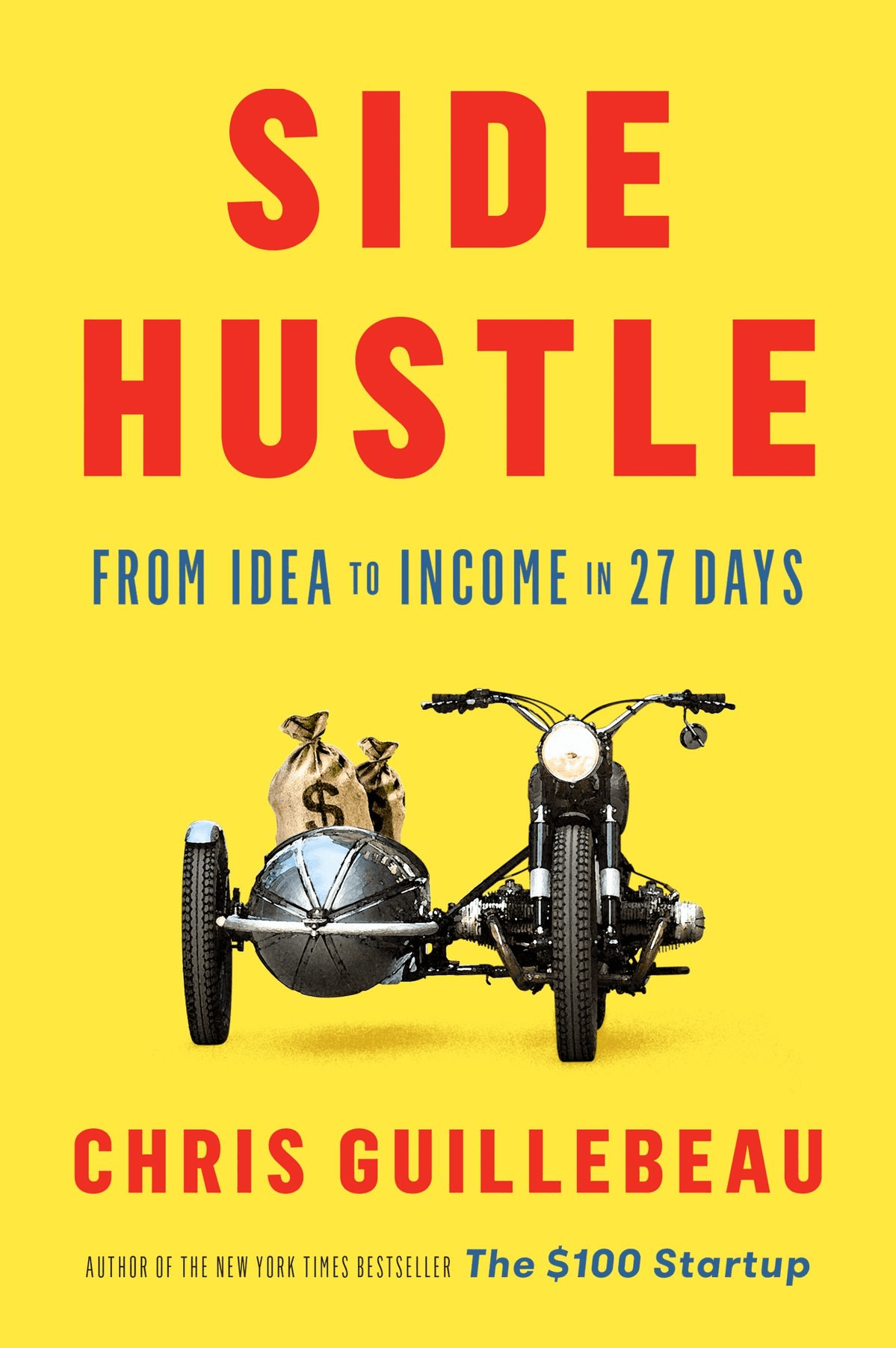
WorthTheCart score: 9.1/10
Best for creating additional income
Saving money is important, but there is a limit to how much someone can reduce their expenses.
You can cancel subscriptions, compare insurance prices, cook more meals at home, and become more careful with your purchases. Eventually, however, there may be very little left to cut without making life noticeably worse.
Income does not have the same fixed limit.
That is what makes Side Hustle such a useful personal finance book. Instead of focusing only on how to divide the income you already have, it helps you think about creating an additional source.
The book is designed for people who want to start something alongside their existing job, studies, or responsibilities. It does not assume you have large amounts of capital, a team of employees, or the ability to leave your main income immediately.
The difference between a side hustle and a startup
Chris Guillebeau makes an important distinction between creating a side hustle and building a traditional startup.
A startup may require investors, employees, product development, significant risk, and years before it becomes profitable.
A side hustle should be smaller, faster, and easier to test.
The goal is to identify something useful that you can offer, find people willing to pay for it, and begin generating income without creating an unnecessarily complicated business.
This could be a service, a digital product, a local business, a freelance skill, a newsletter, a small online store, consulting, tutoring, photography, design, writing, or another activity built around an existing skill or interest.
Moving from an idea to an offer
One reason Side Hustle stands out is that it does not allow the reader to remain in the idea stage for too long.
Many people enjoy imagining businesses. They research logos, names, websites, equipment, and social-media accounts without ever offering anything for sale.
The book encourages readers to move from a general idea to a specific offer.
A useful offer should make it clear who it is for, what problem it solves, and why someone should pay for it.
“Helping businesses with marketing” is vague.
“Creating and managing short-form video advertisements for local restaurants that want more bookings” is much clearer.
The second version identifies the customer, the service, and the expected benefit.
The 27-day structure
Side Hustle organizes the process into a 27-day plan.
The timeline is not a promise that every side hustle will produce meaningful income in less than a month. Some businesses require much longer to develop.
The value of the timeline is that it creates momentum.
The reader begins by generating ideas, identifying useful skills, evaluating potential demand, selecting the strongest opportunity, creating an offer, setting a price, preparing a simple launch, and then improving based on real feedback.
This process helps prevent perfectionism.
You do not need the perfect website, the perfect brand, or the perfect long-term plan before testing whether people are interested. A basic version can teach you more than months of private planning.
Why extra income can change personal finance completely
A side hustle is not only about becoming an entrepreneur.
Even a modest amount of additional monthly income can create meaningful financial progress.
It could be used to pay down high-interest debt faster, build an emergency fund, begin investing, save for a home, fund a holiday without borrowing, or create a larger gap between income and expenses.
The psychological effect can also be significant.
Depending entirely on one employer can feel risky. Building even a small independent income stream may increase confidence and create more options.
Score breakdown
Value: 9.3
Use: 9.4
Build: 8.9
Regret: 8.9
WorthTheCart verdict
Side Hustle is one of the most practical books on this list because it encourages immediate action.
It is particularly valuable for readers who have repeatedly thought about earning money outside their main job but have never turned that idea into a clear offer. It makes entrepreneurship feel smaller, safer, and more achievable.
4. The Psychology of Money by Morgan Housel
WorthTheCart score: 9.0/10
Best for understanding financial behavior
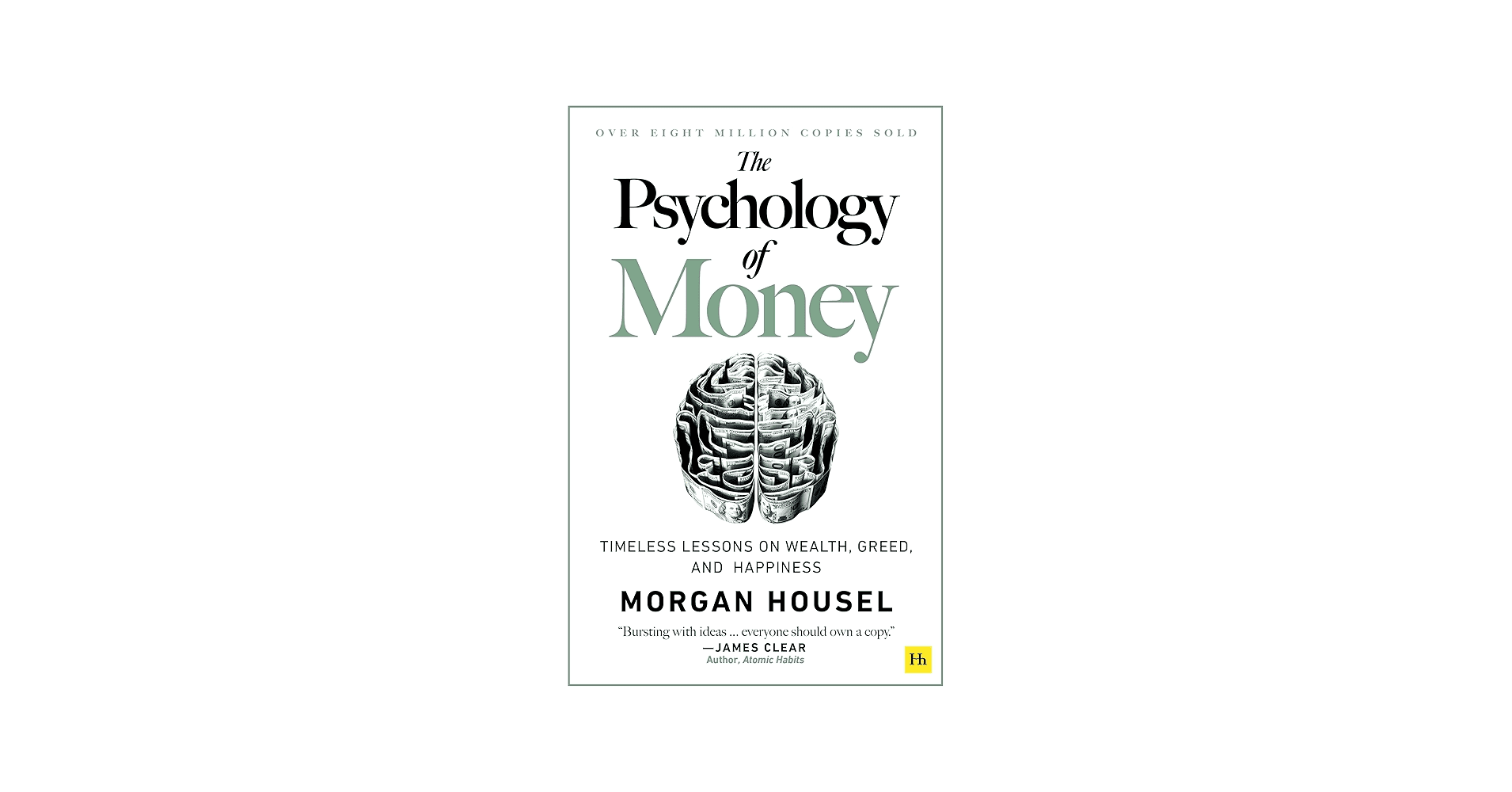
Personal finance looks like a mathematical subject.
Income, interest rates, investment returns, debt balances, and savings rates can all be calculated. However, the decisions people make with those numbers are deeply emotional.
That is the central idea behind The Psychology of Money.
Morgan Housel explains that financial success is not only about intelligence. It is also about behavior, patience, expectations, fear, greed, ego, and the ability to continue following a sensible plan when the world feels uncertain.
Everyone has a different experience of money
Two people can look at the same investment and see completely different things.
Someone who grew up during a strong economy may believe investing is relatively safe and rewarding. Someone who watched their family lose money during a financial crisis may view the same investment as dangerous.
Neither person is necessarily irrational. They are responding to different experiences.
The Psychology of Money explains that people make financial decisions based on the small part of history they have personally experienced.
This is important because it helps us become more careful when judging other people’s choices. It also reminds us that our own experience may not represent every possible future.
Getting wealthy and staying wealthy are different skills
One of the strongest lessons in The Psychology of Money is the difference between becoming wealthy and remaining wealthy.
Building wealth may require optimism, risk, confidence, and the willingness to act.
Keeping wealth requires humility, caution, patience, and respect for uncertainty.
Someone may create a fortune by taking a concentrated risk. If they continue taking the same level of risk forever, they may eventually lose it.
The book argues that survival matters.
A financial plan that produces slightly lower returns but can be maintained through recessions, emergencies, and market declines may be more valuable than an aggressive plan that collapses during the first serious setback.
The power of compounding
Compounding is often explained with percentages and investment charts. Housel explains it as a relationship between good decisions and time.
Extraordinary results do not always require extraordinary annual returns. They may come from achieving reasonable returns for an unusually long period without making a catastrophic mistake.
This changes how readers think about investing.
The goal is not necessarily to discover the next perfect investment. The goal may be to begin early, remain consistent, control costs, avoid panic, and give compounding enough time to work.
Wealth is what you do not see
Another memorable lesson from The Psychology of Money is that wealth is often invisible.
A luxury car is visible. The money that was spent on it is no longer available to invest.
A large house is visible. The financial security created by a large investment portfolio is not.
This does not mean people should never buy expensive things. It means that spending and wealth are not identical.
Spending can make someone look rich. Wealth is the money, assets, and flexibility that remain after the spending has stopped.
Score breakdown
Value: 9.2
Use: 9.0
Build: 9.3
Regret: 9.4
WorthTheCart verdict
The Psychology of Money is one of the easiest books on this list to recommend because its ideas apply to nearly everyone.
It does not give readers a strict financial system. Instead, it helps them become more patient, realistic, and emotionally aware. Those qualities can protect a good financial plan from the person most likely to damage it: the person following it.
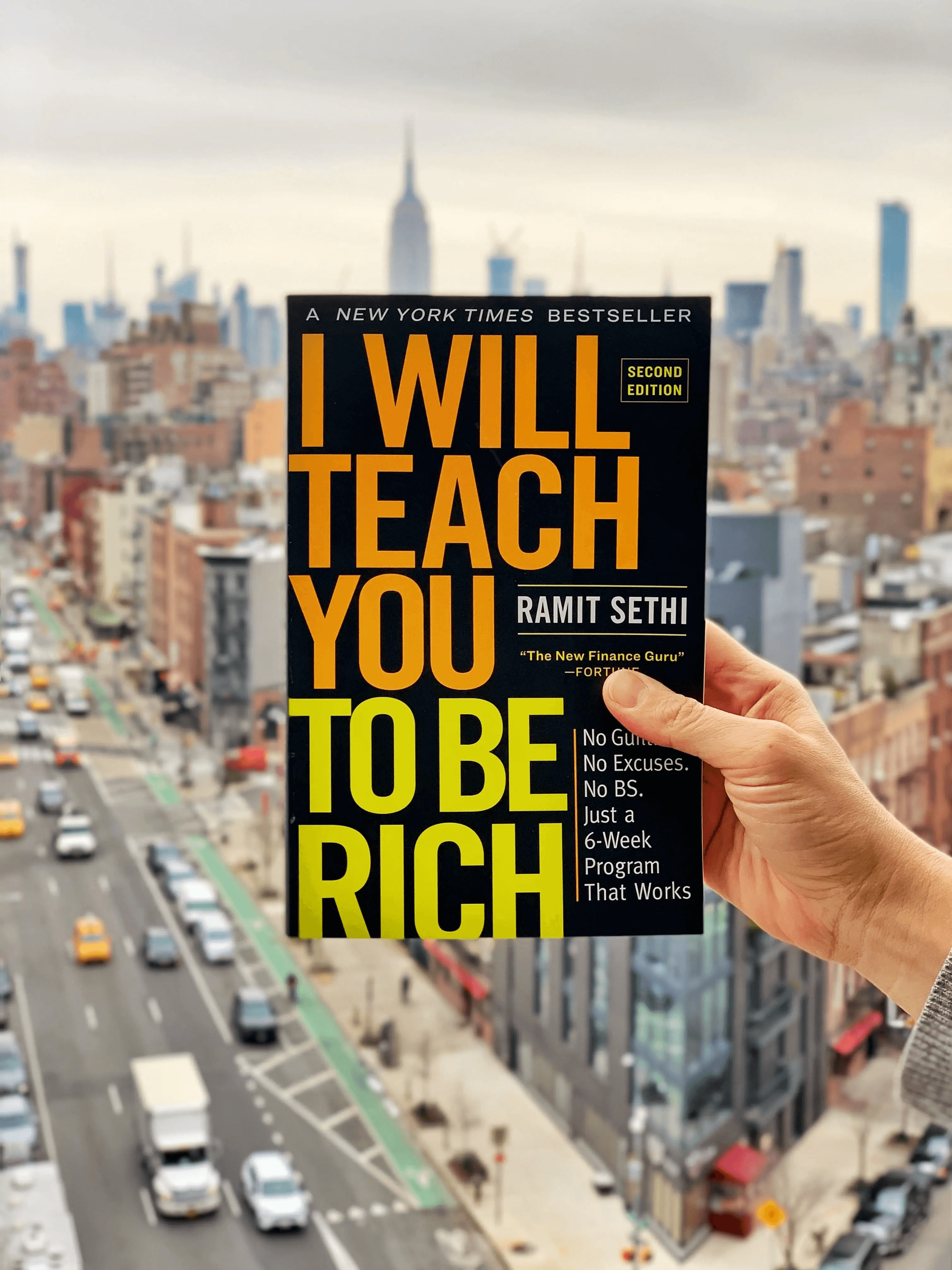
5. I Will Teach You to Be Rich by Ramit Sethi
WorthTheCart score: 8.9/10
Best for building a complete personal finance system
Some personal finance advice makes money feel like a permanent punishment.
Stop buying coffee. Never eat at restaurants. Cancel everything enjoyable. Track every cent for the rest of your life.
I Will Teach You to Be Rich takes a different approach.
Ramit Sethi argues that personal finance should be designed around the life you actually want. The goal is not to reduce every expense. It is to spend less on things you do not care about so you can spend more on the things that genuinely matter to you.
The conscious spending plan
Instead of treating all spending as equally bad, Sethi separates money into broad categories such as fixed costs, savings, investments, and guilt-free spending.
This creates a more realistic system.
Rent, insurance, transport, utilities, and other fixed costs need to be controlled because they consume a large portion of income. Savings and investments should be automated. The remaining money can then be spent more freely without creating constant guilt.
This approach is powerful because it recognizes that a financial plan needs to be sustainable.
A person may follow an extremely restrictive budget for a few weeks, but if the system makes life miserable, it is unlikely to survive for years.
Automation removes repeated decisions
One of the book’s strongest ideas is automation.
Bills, savings, and investments can be scheduled to happen automatically after income arrives. This reduces the number of monthly decisions the person needs to make.
Without automation, saving often becomes something people intend to do with whatever money remains at the end of the month.
Frequently, nothing remains.
Automating the process changes the order. Saving and investing happen first, and spending adjusts around what is left.
Big wins matter more than tiny cuts
I Will Teach You to Be Rich also challenges the obsession with very small expenses.
Small purchases do add up, but the largest financial improvements often come from larger decisions: negotiating a salary, avoiding high investment fees, choosing an affordable home, refinancing expensive debt, reducing fixed costs, or increasing income.
Saving a small amount on coffee matters far less than overpaying significantly for housing, a car, or financial products every month.
Score breakdown
Value: 9.2
Use: 9.3
Build: 8.8
Regret: 9.0
WorthTheCart verdict
I Will Teach You to Be Rich is the best choice for readers who want more than financial inspiration.
It provides a system that can be set up, automated, and maintained. Some account-specific advice is focused on the United States, but the broader principles of automation, conscious spending, negotiating costs, and prioritizing major financial decisions are widely useful.
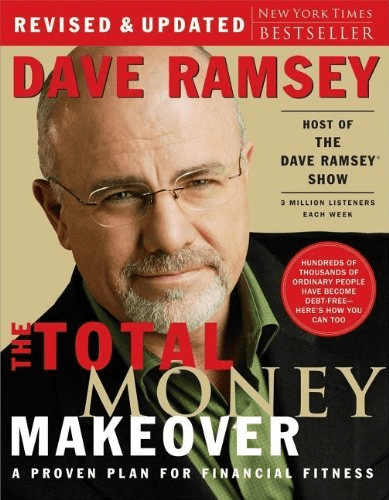
6. The Total Money Makeover by Dave Ramsey
WorthTheCart score: 8.7/10
Best for paying off debt
Debt can make every financial decision feel more difficult.
Money arrives, but much of it already belongs to credit-card companies, lenders, car financing, and other monthly payments.
The Total Money Makeover is built for readers who want a direct plan for escaping that cycle.
Dave Ramsey organizes the process into a series of steps. The reader begins by creating a small emergency fund, then focuses intensely on eliminating consumer debt before moving toward larger savings and investing goals.
The debt snowball
The best-known part of The Total Money Makeover is the debt snowball method.
Debts are arranged from the smallest balance to the largest. The reader makes minimum payments on everything while directing as much extra money as possible toward the smallest balance.
Once that debt is eliminated, the payment is added to the next debt. As each balance disappears, the amount available for the next one grows.
From a purely mathematical perspective, paying the highest-interest debt first may save more money.
The snowball method focuses on behavior.
Eliminating a small debt quickly creates visible progress. That progress can provide the motivation needed to continue through larger balances that may take much longer.
Why the strict approach works for some readers
Ramsey’s advice is intentionally firm.
He is highly cautious about credit cards and consumer debt, and he encourages readers to make significant short-term sacrifices while repairing their finances.
This rigidity will not suit everyone. Some readers may prefer a more flexible or mathematically optimized approach.
However, strict rules can be helpful when someone feels completely out of control. A complicated plan creates opportunities for excuses. A simple sequence makes the next step obvious.
Score breakdown
Value: 8.9
Use: 9.2
Build: 8.5
Regret: 8.7
WorthTheCart verdict
The Total Money Makeover is not the most balanced book on every area of personal finance, but it is extremely clear about debt.
For readers who need structure, urgency, and a plan that removes uncertainty, the debt snowball and emergency-fund framework can be highly motivating.
7. Your Money or Your Life by Vicki Robin and Joe Dominguez
WorthTheCart score: 8.6/10
Best for connecting money with time and freedom

Most purchases have two prices.
The first price is the amount shown at checkout.
The second is the amount of your life required to earn that money.
Your Money or Your Life explores that second price.
Calculating your real hourly wage
A job may appear to pay a certain hourly amount, but work creates additional costs.
There may be commuting expenses, work clothes, unpaid preparation time, meals purchased because there is not enough time to cook, and hours spent recovering from a demanding schedule.
When those costs and extra hours are included, the real hourly wage may be significantly lower than the number on the employment contract.
This creates a different way to evaluate spending.
A purchase costing $200 may not simply cost $200. It may represent ten, fifteen, or twenty hours of your actual life energy.
The question then becomes: Was the purchase worth that amount of your time?
Enough is different from more
Your Money or Your Life also challenges the idea that financial success always means consuming more.
More income can improve life, but only if it produces something meaningful: security, freedom, time, experiences, comfort, generosity, or opportunities.
If every increase in income immediately creates an increase in spending, the person may remain dependent on work regardless of how much they earn.
The book encourages readers to identify the point where spending creates genuine satisfaction and the point where additional consumption creates very little improvement.
Score breakdown
Value: 8.8
Use: 8.9
Build: 8.4
Regret: 8.7
WorthTheCart verdict
Your Money or Your Life is more reflective than many traditional personal finance books.
It does not only ask how you can earn more money. It asks what the money is for, how much of your life is being exchanged for it, and whether your spending is creating the freedom you expected it to create.
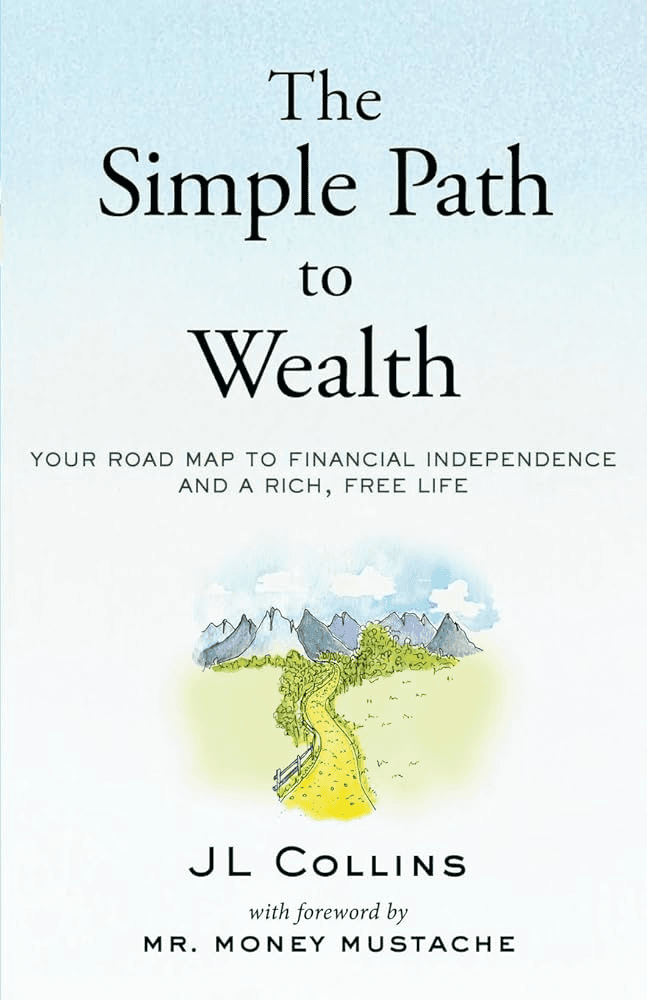
8. The Simple Path to Wealth by J.L. Collins
WorthTheCart score: 8.5/10
Best for simple long-term investing
Investing is often made to look much more complicated than it needs to be.
Financial news discusses market predictions, individual stocks, economic forecasts, interest rates, and the latest opportunities. This creates the impression that successful investing requires constant activity.
The Simple Path to Wealth argues that simplicity can be an advantage.
Own a broad part of the market
J.L. Collins is best known for explaining the value of broad, low-cost index investing.
Instead of attempting to identify a small number of winning companies, an index fund can provide exposure to a large part of the market.
Some companies will perform poorly. Others will grow. The investor does not need to predict every winner in advance.
The approach is deliberately unexciting.
Save consistently, keep costs low, invest broadly, avoid panic, and allow time to do much of the work.
Market declines are part of the process
One of the most valuable sections of The Simple Path to Wealth concerns market crashes.
Declines are not rare accidents that can always be avoided. They are part of investing.
A person who invests for several decades will likely experience recessions, frightening headlines, falling account values, and periods when selling everything feels emotionally comfortable.
The book explains why long-term investors need to expect those periods before they happen.
A plan that only works while markets are rising is not a complete plan.
Financial independence as the real objective
The purpose of investing is not simply to make an account balance larger.
Collins connects investing with financial independence: the point where accumulated assets can support a meaningful portion of your life without requiring complete dependence on employment income.
This fits naturally with the asset-building lessons from Rich Dad Poor Dad, but The Simple Path to Wealth provides a more specific investing philosophy.
Score breakdown
Value: 8.8
Use: 8.7
Build: 8.5
Regret: 8.8
WorthTheCart verdict
The Simple Path to Wealth is ideal for readers who want to begin investing without turning finance into a full-time hobby.
Some account and fund examples are US-focused, but the broader lessons about diversification, low costs, patience, and avoiding emotional decisions remain highly relevant.
9. The Millionaire Next Door by Thomas J. Stanley and William D. Danko
WorthTheCart score: 8.4/10
Best for understanding how wealth is quietly built
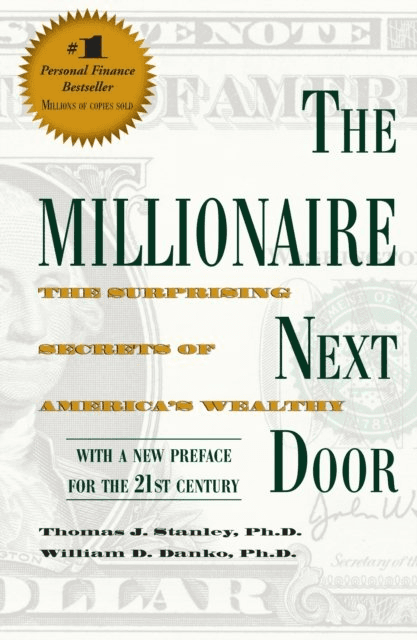
What does a millionaire look like?
Many people imagine a luxury car, designer clothing, expensive watches, and an enormous house.
The Millionaire Next Door argues that this image is often misleading.
Many wealthy households do not look especially wealthy from the outside. They live in ordinary homes, drive practical vehicles, control their expenses, and invest a meaningful portion of their income.
Income is not the same as net worth
A person can have an impressive income and still accumulate very little wealth.
If most of the income is used to maintain an expensive lifestyle, the person may own little after debts are subtracted.
Another household may earn less but consistently save and invest a large percentage of its income. Over time, that household may develop a much stronger financial position.
This is the distinction between high consumption and high net worth.
The Millionaire Next Door encourages readers to measure financial success by what they keep rather than what they display.
Wealth often looks boring
The habits described in the book are not particularly glamorous.
Planning purchases, controlling housing costs, avoiding constant vehicle upgrades, running businesses, budgeting, and investing consistently do not create exciting social-media content.
They can create wealth.
That is one reason the book remains relevant. It challenges the pressure to prove success through spending.
Score breakdown
Value: 8.6
Use: 8.4
Build: 8.3
Regret: 8.7
WorthTheCart verdict
The Millionaire Next Door is a useful reminder that financial success is often almost invisible.
Some research and examples reflect an earlier period in the United States, but the central lesson remains strong: wealth is usually created through the difference between what someone earns and what they choose to consume.
10. The Richest Man in Babylon by George S. Clason
WorthTheCart score: 8.3/10
Best value personal finance book
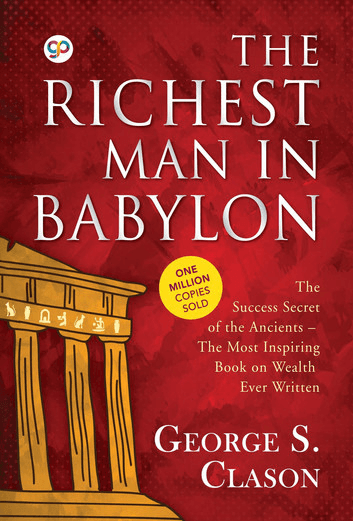
The Richest Man in Babylon proves that the most important financial principles do not need to be complicated.
The book teaches through short parables set in ancient Babylon. The language and setting are old-fashioned, but the financial lessons are surprisingly modern.
Pay yourself first
The most famous principle in The Richest Man in Babylon is to keep a portion of everything you earn.
Most people pay everyone else first.
They pay rent, lenders, utility companies, stores, subscriptions, and entertainment expenses. They then attempt to save whatever remains.
The book reverses that order.
A portion of income should be kept before the rest is spent. That money can then become the foundation of future investment and financial security.
Make your money multiply
Saving is only the beginning.
Money that remains permanently idle may lose purchasing power over time. The book encourages readers to place savings into sensible opportunities that can produce more money.
It also warns against rushing into investments that are not properly understood.
Advice should come from people with real experience in the relevant area, not simply from confident people with attractive promises.
Protect your capital
The desire to become wealthy quickly can make people vulnerable.
The Richest Man in Babylon repeatedly emphasizes protecting the original money and avoiding opportunities that promise unrealistic returns.
This lesson may be even more relevant today, when speculative investments and online financial schemes can be promoted to millions of people within hours.
Score breakdown
Value: 9.1
Use: 8.3
Build: 7.9
Regret: 8.7
WorthTheCart verdict
The Richest Man in Babylon is our best value pick because it communicates foundational financial principles in a short and memorable format.
It cannot replace a modern book about investing, taxes, or financial accounts. However, its lessons about saving first, investing carefully, seeking knowledgeable advice, and protecting your money provide an excellent starting point.
Which Personal Finance Book Should You Read First?
The best starting point depends on the financial problem you are trying to solve.
Start with Rich Dad Poor Dad when you want to understand assets, liabilities, cash flow, and why a high salary does not automatically create wealth.
Choose Think and Grow Rich when you need more focus, confidence, persistence, and structure around an ambitious goal.
Choose Side Hustle when increasing your income is more important than cutting another small expense.
Choose The Psychology of Money when emotional decisions, lifestyle pressure, or unrealistic expectations are interfering with your financial plan.
Choose I Will Teach You to Be Rich when you want to organize your accounts, automate saving, and create a practical spending system.
Choose The Total Money Makeover when consumer debt is the biggest obstacle between you and financial stability.
Choose Your Money or Your Life when you want to understand whether your spending is genuinely improving your life.
Choose The Simple Path to Wealth when you want a straightforward introduction to long-term investing.
Choose The Millionaire Next Door when you want to understand the ordinary habits that often create extraordinary net worth.
Choose The Richest Man in Babylon when you want a short and affordable introduction to basic financial principles.
Final Verdict
Our number-one recommendation is Rich Dad Poor Dad.
It is not the most technical book in this guide, and it does not provide a perfect financial blueprint. What it does extremely well is change the reader’s starting point.
Instead of asking only, “How can I earn more money?” it encourages the reader to ask:
What assets am I building?
What liabilities are consuming my income?
Where does my money go after I receive it?
Would my income continue if I stopped working?
Am I using my paycheck to create more freedom, or am I using it to create more monthly payments?
Those questions can influence nearly every financial decision that follows.
Think and Grow Rich is our second choice because it focuses on the ambition, persistence, and planning required to turn financial goals into action.
Side Hustle earns third place because creating additional income can transform a financial situation much faster than repeatedly reducing small expenses.
Readers interested in financial behavior should strongly consider The Psychology of Money, while readers who want a practical system may prefer I Will Teach You to Be Rich.
The most important step is not purchasing every book on the list.
It is choosing the book that addresses your current problem, reading it carefully, and applying at least one important lesson before moving to the next one.
Frequently Asked Questions
What is the best personal finance book for beginners?
Rich Dad Poor Dad is our top recommendation for beginners because it introduces the difference between assets, liabilities, income, expenses, and financial freedom in an accessible way.
Is Rich Dad Poor Dad still worth reading?
Yes. Some examples and claims should be read critically, but its central lessons about cash flow, financial education, and building assets remain useful. It is best treated as a mindset book rather than a complete investment manual.
What is the best book for earning more money?
Side Hustle is the strongest choice for readers who want to turn an existing skill or idea into an additional source of income.
What is the best personal finance book for investing?
The Simple Path to Wealth provides the clearest investing-focused introduction in this guide. It emphasizes broad diversification, low costs, patience, and long-term consistency.
What is the best personal finance book for getting out of debt?
The Total Money Makeover offers the clearest debt-repayment structure. Its debt snowball method focuses on eliminating smaller balances first to create momentum.
What is the best book about the psychology of money?
The Psychology of Money is the strongest choice for understanding how emotion, risk, ego, patience, and personal experience influence financial decisions.
Are personal finance books worth buying?
A strong personal finance book can easily justify its price when one useful idea changes how the reader saves, borrows, invests, earns, or spends money. The value depends on applying the ideas rather than simply finishing the book.
Can reading personal finance books make you rich?
Reading alone will not create wealth. Books can provide knowledge, strategies, and motivation, but financial results require action, time, consistency, and decisions suited to the reader’s personal circumstances.
Pros
Explains important financial ideas in accessible language, covers several approaches to building wealth, includes both practical systems and mindset-focused books, and offers useful options for different financial situations
Cons
Some books contain older examples, several account-specific recommendations are focused on the United States, and readers still need to research investments, taxes, and financial products independently
WorthTheCart? Final Verdict
Worth adding to cart if it matches your needs and budget.