Wearable Tech
·
5 products compared
Last updated
9.4
⭐ Best Value Pick
RingConn Gen 2 Air
Best Smart Rings 2026
Affiliate disclosure: WorthTheCart may earn a commission from qualifying purchases. This does not affect our editorial opinions, rankings, or recommendations.
Smart rings used to feel like a niche tech product.
A few years ago, if you wanted health tracking, the obvious answer was simple: buy a smartwatch. A smartwatch could track workouts, show notifications, measure heart rate, display calls, control music, and give you a small screen on your wrist.
That still works for a lot of people.
But not everyone wants to wear a screen all day.
That is where smart rings have become interesting. A smart ring does not try to replace your phone. It does not buzz constantly. It does not sit on your wrist like another device demanding attention. Instead, it quietly tracks your health in the background. You wear it like a normal ring, sleep with it, go through your day, and check the app when you actually want to see your data.
That is the biggest reason smart rings are growing in 2026. They feel less distracting than smartwatches, but still give you the kind of health data many people care about most: sleep, recovery, heart rate, stress, body temperature trends, and daily readiness.
For a lot of people, that is exactly what they want from a wearable.
A smartwatch is better if you want live workout stats, GPS tracking, notifications, apps, messages, music controls, or a display. But if your main goal is to understand your sleep, recovery, stress, and general wellness without wearing a screen all day, a smart ring can make more sense.
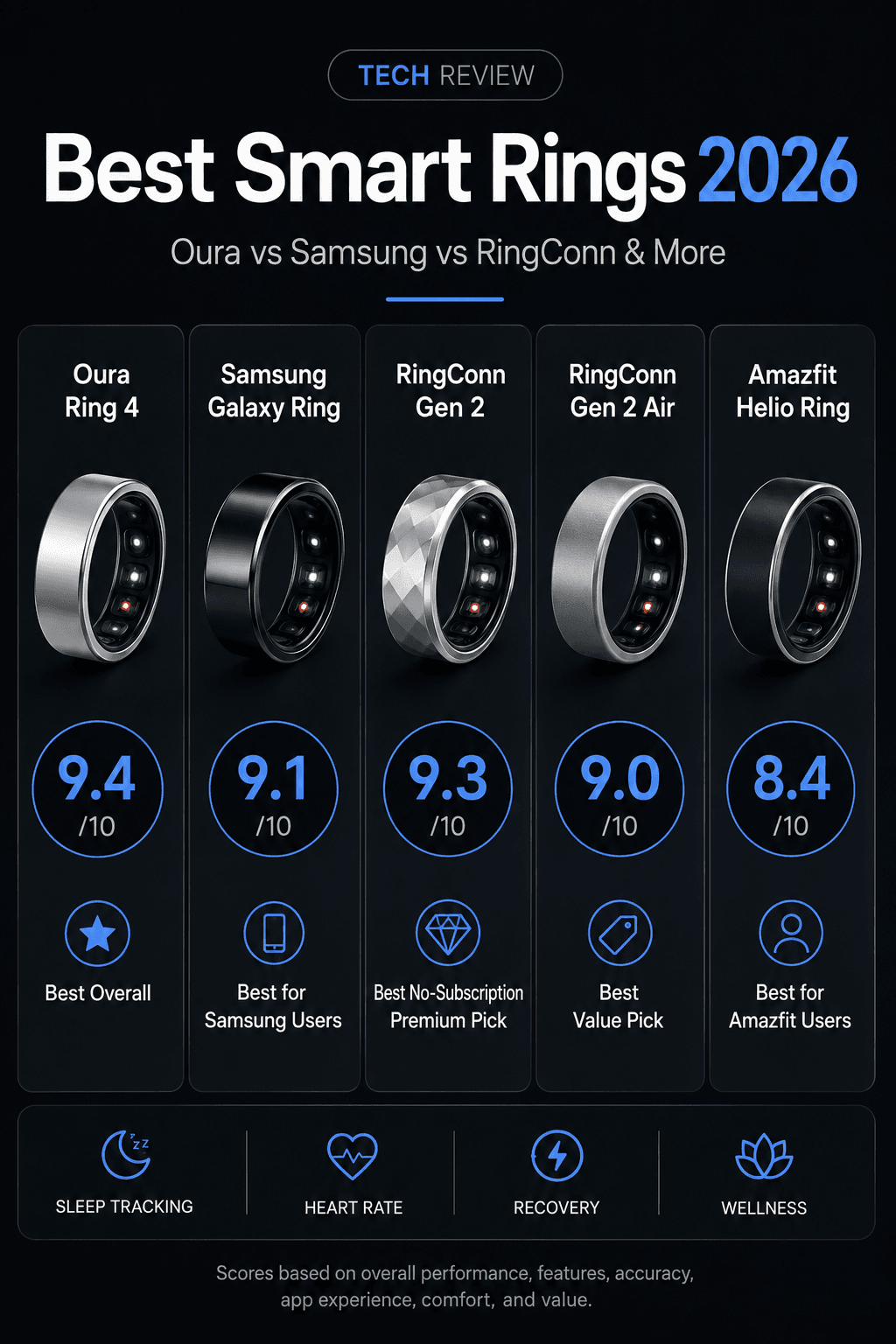
For this WorthTheCart comparison, we are looking at five smart rings that are actually worth considering in 2026:
Oura Ring 4
Samsung Galaxy Ring
RingConn Gen 2
RingConn Gen 2 Air
Amazfit Helio Ring
The goal is not just to find the most popular ring. The real question is which one gives you the best mix of comfort, health tracking, battery life, app experience, value, and long-term usefulness.
Quick Verdict
The best overall smart ring is the Oura Ring 4. It has the most polished experience, one of the strongest apps, a premium titanium design, and very strong sleep and wellness insights. Oura says Ring 4 uses a titanium design with recessed sensors and comes in sizes 4–15, which helps with comfort and fit.
The best value pick is the RingConn Gen 2 Air. It is lighter, cheaper than many premium options, and still gives you the core tracking features people actually want from a smart ring. RingConn lists the Gen 2 Air with up to 10 days of battery life, plus heart rate, HRV, blood oxygen, and wellness tracking.
The best no-subscription premium alternative is the RingConn Gen 2. It is one of the strongest Oura alternatives because it focuses on long battery life, sleep tracking, and no subscription. RingConn lists Gen 2 with 10–12 days of battery life, a charging case, automatic sleep apnea monitoring, and no subscriptions.
The best smart ring for Samsung users is the Samsung Galaxy Ring. It makes the most sense if you already use a Samsung phone, Samsung Health, or other Galaxy devices. Samsung says the Galaxy Ring can last up to 7 days depending on size, and its health data works through the Galaxy Wearable and Samsung Health ecosystem.
The Amazfit Helio Ring is the most niche option here. It is best for people already interested in Amazfit’s fitness and recovery ecosystem. Amazfit highlights the Helio Ring as subscription-free, which makes it more interesting for buyers who do not want another monthly payment.
Why Smart Rings Are So Popular Right Now
Smart rings are popular because they solve a real problem with wearables.
A lot of people like tracking their health, but they do not always like wearing a smartwatch. Watches can feel bulky at night. They can be distracting during the day. They show notifications, messages, calls, reminders, app alerts, and everything else. Even when they are useful, they can feel like another screen you have to manage.
A smart ring is different.
It is passive. It sits on your finger, collects data, and gets out of the way. That makes it especially good for sleep tracking, because most people are more willing to sleep with a small ring than a bigger watch.
Sleep tracking is one of the main reasons smart rings make sense. A lot of your most useful health data comes from what happens while you sleep: resting heart rate, heart rate variability, body temperature trends, breathing patterns, movement, sleep timing, and recovery signals. If your wearable is uncomfortable at night, you miss the data that matters most.
Smart rings are also less “tech-looking.” You can wear one with normal clothes, at work, in school, at the gym, or while traveling without it looking like a gadget. For people who want wellness tracking without the smartwatch look, that is a big advantage.
But smart rings are not perfect.
They are usually not the best choice for serious workout tracking. They do not show live pace, distance, maps, notifications, or workout screens. They can track activity, but they usually cannot replace a proper fitness watch if you are a runner, cyclist, athlete, or someone who wants real-time training data.
That is why the best way to think about a smart ring is simple:
A smartwatch is better for active tracking.
A smart ring is better for passive wellness tracking.
That is also why this category fits WorthTheCart so well. A smart ring is not cheap, and it is not something everyone needs. But for the right person, it can be one of those products you wear every day and actually use.
Oura Ring 4 — Best Overall Smart Ring
The Oura Ring 4 is the best overall smart ring in this comparison.
It is not the cheapest option. It is not the best pick if you hate subscriptions. It is not the best fitness tracker if your main focus is live workout data. But as a complete smart ring experience, Oura still feels like the most polished option.
The biggest strength of the Oura Ring 4 is not just the hardware. It is the app and the way the data is explained.
That matters more than people think.
A wearable can collect a lot of data, but if the app does not explain it clearly, the data becomes noise. Most people do not want a random pile of charts. They want to know if they slept well, if their body seems recovered, if their stress is high, and whether they should push harder or take it easier.
Oura is good at turning health data into something that feels understandable.
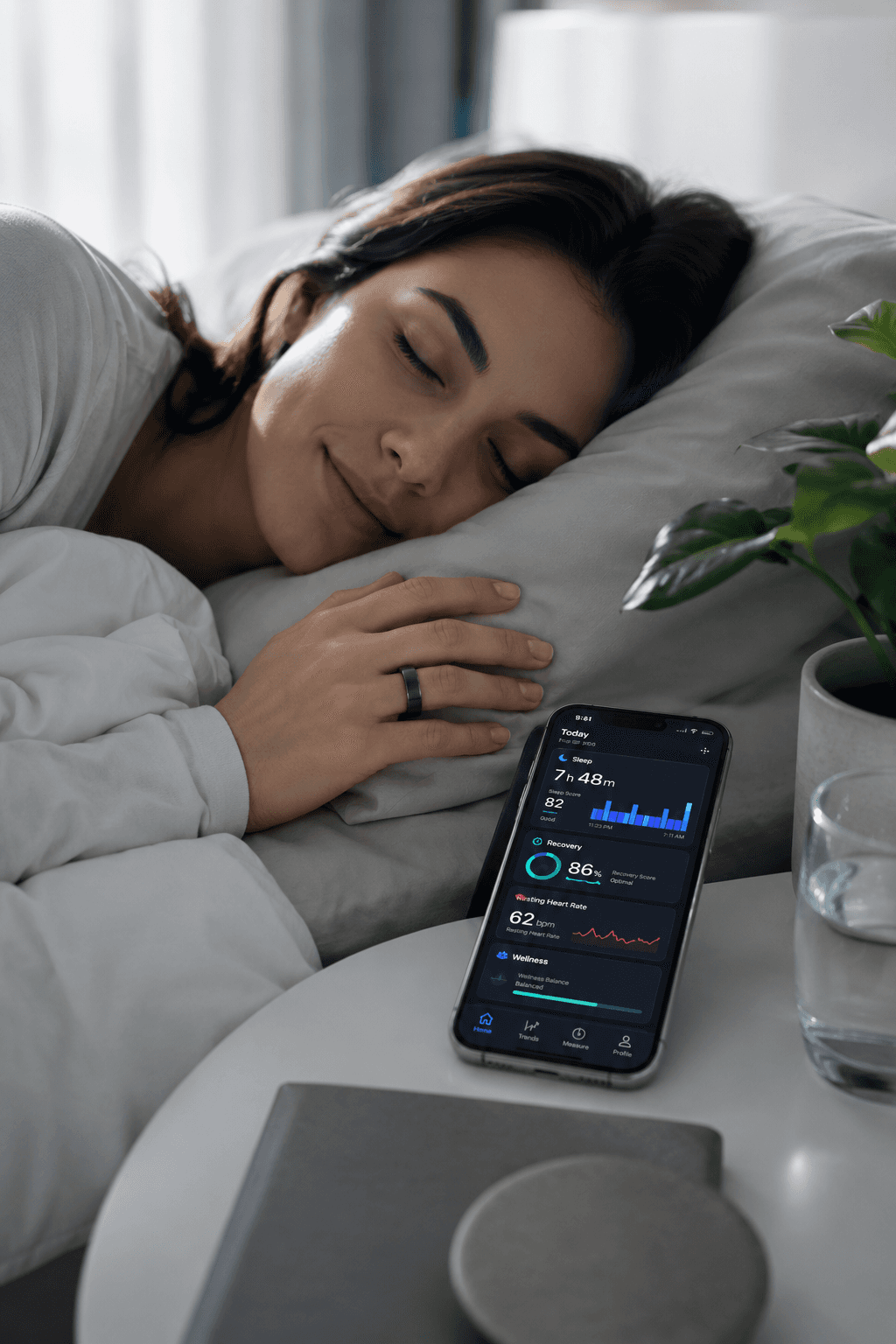
The Ring 4 tracks things like sleep, readiness, activity, heart rate, temperature trends, and stress. The app makes these insights feel easier to read than many competing platforms. Instead of feeling like a fitness dashboard for athletes only, Oura feels more like a daily wellness tool.
The design is another major reason it scores highly. Oura Ring 4 has a more refined look than many smart rings. It feels more like jewelry and less like a small fitness device. Oura also says the Ring 4 has a fully titanium design and recessed sensors, which should help comfort and wearability.
Battery life is strong too. Oura says Ring 4 battery life can vary by size and usage, and reviewers have generally found it strong enough for multiple days of sleep and daily tracking.
The main downside is the long-term cost. Oura is already a premium ring, and the full experience depends heavily on the app. That app is one of the reasons Oura is so good, but it also means the ring can feel more expensive over time if you do not like paying for subscriptions.
Still, if you want the best overall smart ring and you care about the most polished wellness experience, the Oura Ring 4 is the safest pick.
WorthTheCart Score: 9.4/10
Value: 8.7
Use: 9.8
Build: 9.7
Regret: Low if you actually use the app consistently
Best for: people who want the most polished smart ring experience, strong sleep tracking, premium design, and detailed wellness insights.
Samsung Galaxy Ring — Best for Samsung Users
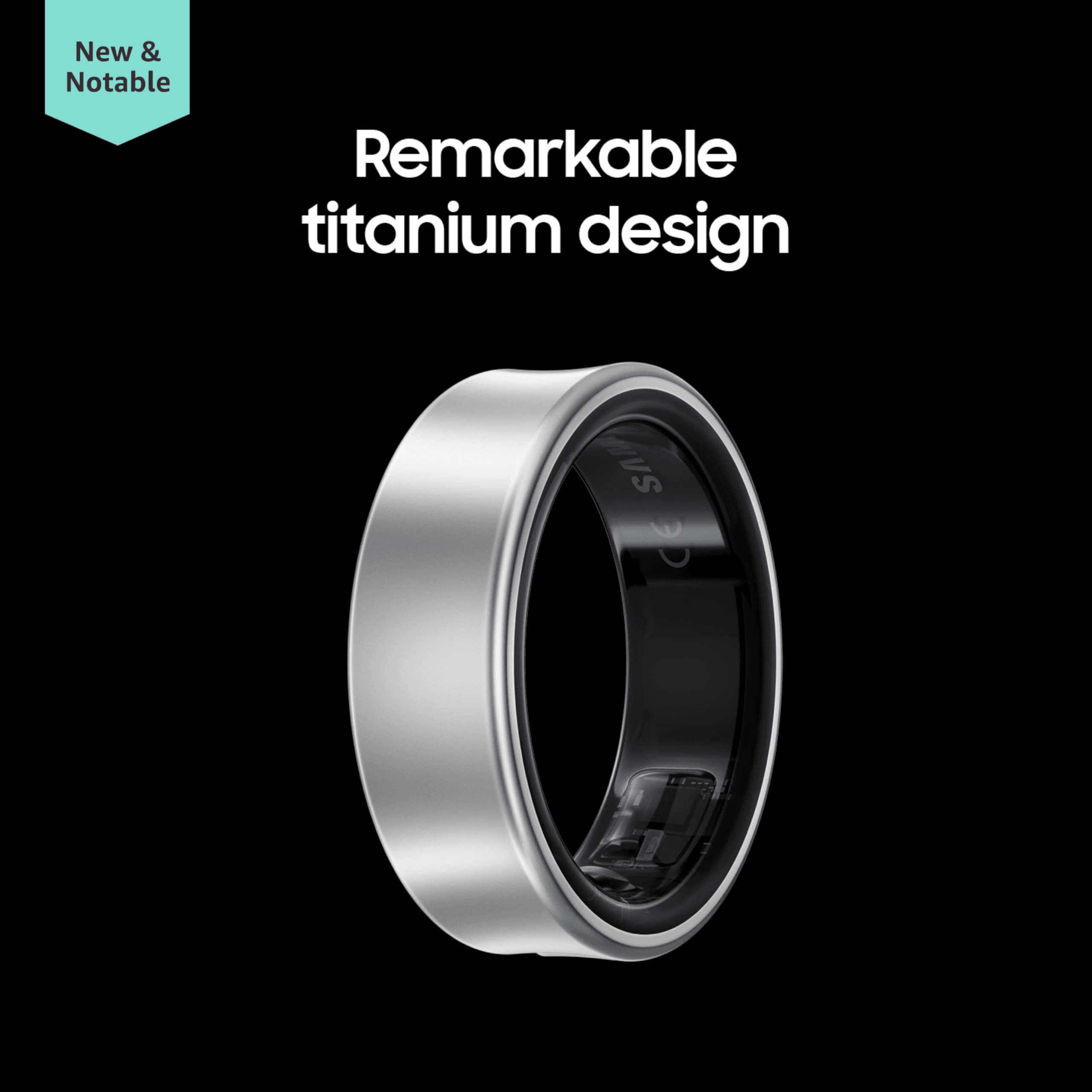
The Samsung Galaxy Ring is the best choice for people already using Samsung devices.
That is the most important thing to understand about this ring. The Galaxy Ring makes the most sense inside the Samsung ecosystem. If you already use a Galaxy phone, Samsung Health, or maybe even a Galaxy Watch, then this ring fits naturally into your setup.
It is a clean, simple, screen-free way to track health data without wearing a watch all the time.
Samsung’s biggest advantage is ecosystem. A lot of tech products become better when they work smoothly with devices you already own. The Galaxy Ring is not just a random wearable; it connects into Samsung’s health platform and is managed through Galaxy Wearable and Samsung Health. Samsung’s support pages describe checking ring status, battery level, and measured health data through the Galaxy Wearable app.
Battery life is also good. Samsung says larger Galaxy Ring sizes can last up to 7 days, although battery life depends on ring size and usage.
The design is another strength. It looks clean and simple, and it is easy to understand why someone would prefer it over a smartwatch. It has no screen, no constant notifications, and no big device sitting on your wrist. For sleep tracking and background wellness data, that is a good thing.
The downside is that the Galaxy Ring is not the most universal option. If you use an iPhone, this is not the ring I would recommend first. If you are not already in Samsung’s ecosystem, the appeal becomes weaker.
That does not make it bad. It just makes it more specific.
The Samsung Galaxy Ring is not trying to be the best smart ring for every single person. It is trying to be the best smart ring for Samsung users. In that role, it makes a lot of sense.
WorthTheCart Score: 9.1/10
Value: 8.8
Use: 9.2
Build: 9.5
Regret: Low for Samsung users, higher for non-Samsung users
Best for: Samsung phone users who want a clean, simple, screen-free health tracker that fits into Samsung Health.
RingConn Gen 2 — Best No-Subscription Premium Alternative
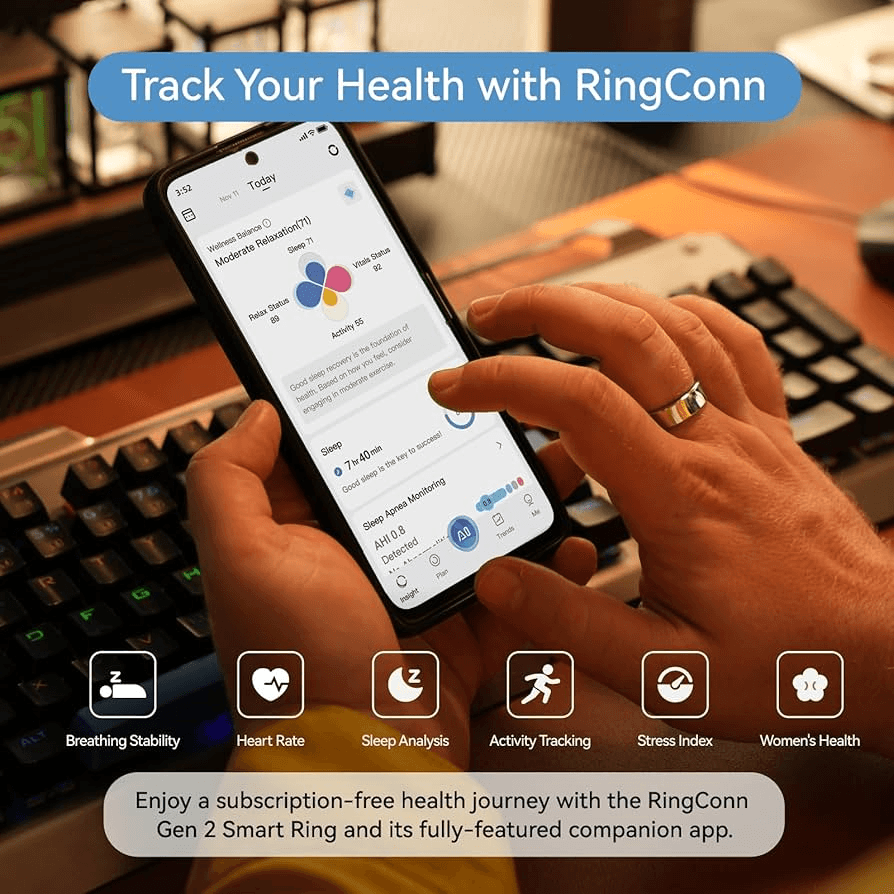
The RingConn Gen 2 is one of the strongest alternatives to Oura because it focuses on something many buyers care about: no subscription.
That is a big deal.
A lot of people are tired of buying expensive tech products and then being asked to pay every month to unlock the real experience. Smart rings are already expensive, so a no-subscription model can make a product feel much better long-term.
RingConn Gen 2 is built around that idea. RingConn lists the Gen 2 with no subscriptions, 10–12 days of battery life, automatic sleep apnea monitoring, and a charging case that can extend total charging convenience up to 150 days.
That battery life is one of the biggest reasons this ring is so appealing.
A smart ring should be easy to live with. You should not constantly think about charging it. You should not have to take it off every day. You should be able to wear it, sleep with it, and trust that it will keep tracking without becoming another annoying device.
The RingConn Gen 2 does that well.
It is also very good for people who care about sleep and recovery but do not necessarily need the most polished app in the world. Oura still feels more premium in terms of app experience, but RingConn gives you a strong feature set without the same subscription concern.
That makes it especially good for value-focused buyers.
The trade-off is that RingConn may not feel as refined as Oura. The data may be useful, but the overall experience might not feel quite as premium. The app experience, brand trust, and insight quality are areas where Oura still has an advantage.
But when you consider battery life, no subscription, sleep tracking, and long-term cost, the RingConn Gen 2 is very easy to recommend.
WorthTheCart Score: 9.3/10
Value: 9.6
Use: 9.3
Build: 9.2
Regret: Very low if you want strong tracking without monthly fees
Best for: people who want a premium smart ring alternative to Oura without paying a monthly subscription.
RingConn Gen 2 Air — Best Value Pick
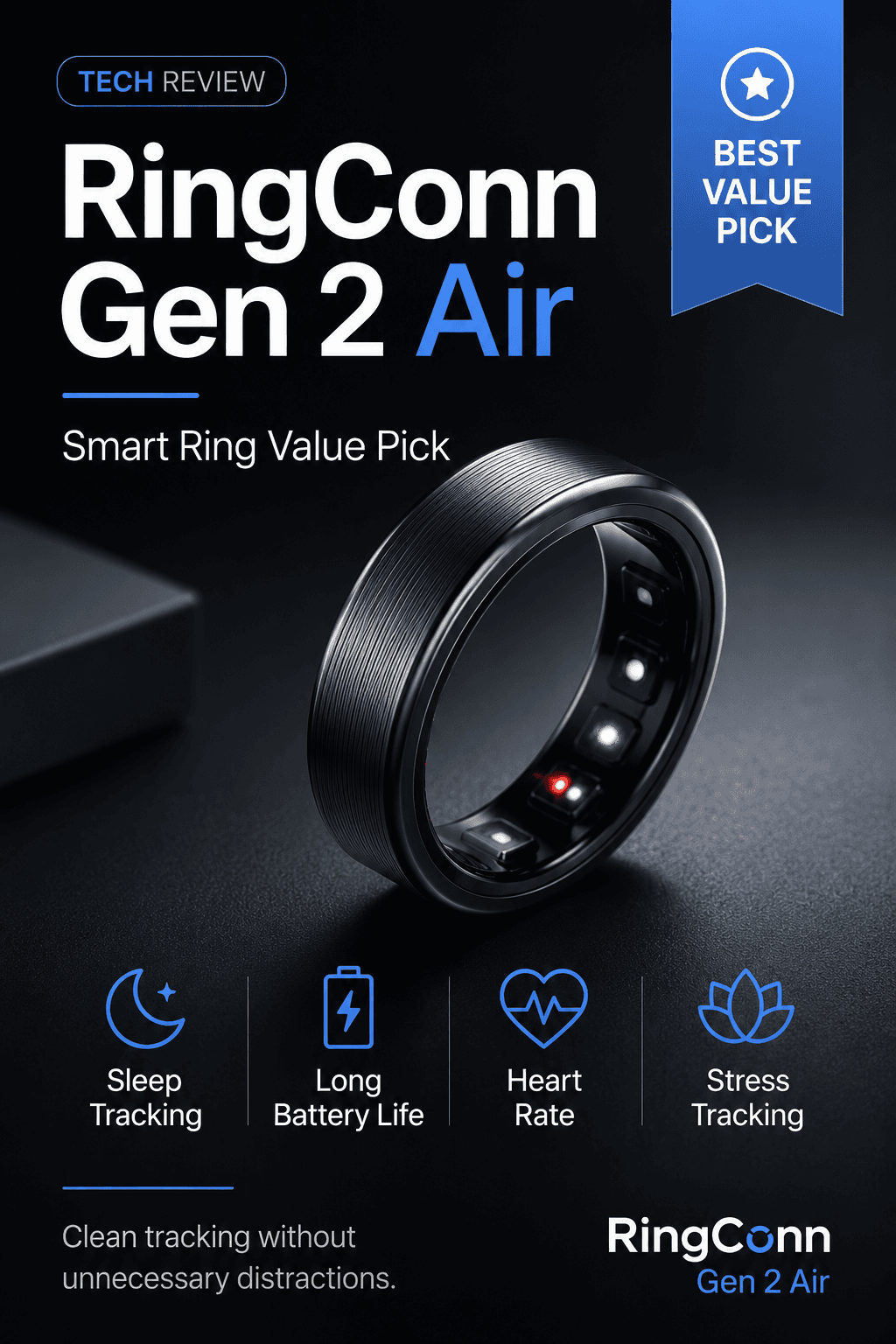
The RingConn Gen 2 Air is the best value pick in this comparison.
It is the ring I would look at if you want smart ring tracking, but you do not want to spend more than necessary. It gives you the core benefits of a smart ring — sleep tracking, heart rate data, stress trends, blood oxygen tracking, and general wellness insights — while keeping the product more accessible.
RingConn lists the Gen 2 Air as a lighter model with 2.5–4g weight depending on size and up to 10 days of battery life. The product page also highlights vitals like heart rate, heart rate variability, and blood oxygen.
That is exactly why it works as the best value pick.
Most people buying a smart ring are not trying to replace a Garmin. They are not looking for advanced training metrics or a screen. They want to understand their sleep, stress, recovery, and daily health patterns. If a cheaper ring can do those things well enough, it becomes much easier to justify.
The Gen 2 Air is also less risky for first-time smart ring buyers.
That matters because smart rings are still not for everyone. Some people love them and wear them every day. Other people try one and realize they prefer a watch. Starting with a better-value option can make sense if you are curious about the category but not ready to pay top-tier Oura money.
The downside is that the Gen 2 Air is not the most premium option. If you want the best app, strongest brand, highest-end finish, and most polished wellness ecosystem, Oura still wins. If you want the most complete RingConn model, the regular Gen 2 is stronger.
But for the average buyer who wants a smart ring that feels useful without overpaying, the RingConn Gen 2 Air is probably the smartest pick.
WorthTheCart Score: 9.0/10
Value: 9.8
Use: 8.9
Build: 8.8
Regret: Low because the value is strong
Best for: first-time smart ring buyers, budget-conscious users, and people who want sleep and wellness tracking without paying premium prices.
Amazfit Helio Ring — Best for Amazfit Users and Fitness-Focused Recovery
The Amazfit Helio Ring is the most niche smart ring in this guide.
That does not mean it is bad. It just means it is not the obvious first choice for everyone.
Amazfit is already known for fitness watches and the Zepp health ecosystem, so the Helio Ring makes the most sense for people who already like Amazfit products. If you already use an Amazfit watch or the Zepp app, the Helio Ring can fit into that setup as a recovery and sleep-focused wearable.
Amazfit highlights the Helio Ring as subscription-free, which is a strong advantage in a category where monthly fees can make products feel more expensive over time.
The Helio Ring is most interesting if you want a ring that focuses on recovery and wellness rather than being a full smartwatch replacement. It can track health signals in the background, especially during sleep, and it gives Amazfit users another way to collect wellness data.
However, it is not the strongest overall ring in this comparison.
The main reason is polish. Oura has the best app experience. RingConn has stronger value and battery life. Samsung has the best ecosystem fit for Galaxy users. Amazfit feels more specific. It works best if you are already interested in Amazfit’s approach to health tracking.
Some reviews have also pointed out limitations with the Helio Ring, especially around app experience, size options, and battery performance compared with stronger competitors. That does not make it useless, but it does make it harder to recommend as the best smart ring overall.
Still, the Amazfit Helio Ring can make sense for the right buyer. If you already use Amazfit, want a subscription-free ring, and care more about recovery and sleep than premium app design, it is worth considering.
WorthTheCart Score: 8.4/10
Value: 8.5
Use: 8.2
Build: 8.6
Regret: Medium unless you already like Amazfit’s ecosystem
Best for: Amazfit users and people who want a recovery-focused smart ring without subscription costs.
Smart Ring vs Smartwatch: Which One Should You Buy?
This is one of the most important questions before buying a smart ring. A smart ring is not always better than a smartwatch. It depends on what you want the device to do.
A smartwatch is better if you want a screen, notifications, workout tracking, GPS, live running stats, apps, music controls, calls, messages, and more advanced fitness features. If you are training for races, tracking workouts seriously, or using your wearable as a mini phone, a smartwatch still makes more sense.
A smart ring is better if you want something smaller, quieter, and easier to wear while sleeping. It is better if you care about passive tracking instead of active controls. It is better if you want to check your health data once or twice a day instead of seeing notifications all day.
That is why smart rings are so good for sleep and recovery.
You do not have to interact with them much. You just wear them. Over time, they collect patterns that can help you understand your body better.
For some people, the best setup may even be both: a smartwatch for workouts and a smart ring for sleep. But most people do not need both. If you only want one, ask yourself this:
Do you want live features during the day, or quiet health tracking in the background?
If you want live features, buy a smartwatch.
If you want quiet tracking, buy a smart ring.
Which Smart Ring Should You Choose?
Choose the Oura Ring 4 if you want the best overall smart ring experience. It is the most polished, the app is excellent, the design feels premium, and the health insights are easy to understand. It is the safest choice if you want the best product and do not mind the higher long-term cost.
Choose the Samsung Galaxy Ring if you already use Samsung devices. It makes the most sense inside the Galaxy ecosystem and works well as a screen-free health tracker for Samsung Health users.
Choose the RingConn Gen 2 if you want a premium smart ring without a subscription. It has strong battery life, useful sleep tracking, and a better long-term value argument than many premium competitors.
Choose the RingConn Gen 2 Air if you want the best value. It gives you the core smart ring experience at a more accessible level and is the easiest one to recommend for first-time buyers who do not want to overspend.
Choose the Amazfit Helio Ring if you already like Amazfit products or want a recovery-focused ring that works inside the Zepp ecosystem.
Final Verdict: Are Smart Rings Worth It in 2026?
Yes, smart rings are worth it in 2026, but only for the right type of person.
They are not the best choice if you want a fitness watch. They are not ideal if you need GPS, a screen, workout maps, live pace, music controls, or notifications. For that, a smartwatch is still better.
But if you want better sleep tracking, recovery insights, heart rate trends, stress data, and a wearable that does not distract you, a smart ring makes a lot of sense.
The Oura Ring 4 is the best overall option because it has the strongest complete experience. It feels polished, premium, and useful in daily life.
The RingConn Gen 2 Air is the best value pick because it gives you the core benefits of a smart ring without making the price feel too hard to justify.
The RingConn Gen 2 is the best no-subscription premium alternative and might be the smartest pick for people who hate monthly fees.
The Samsung Galaxy Ring is the best choice for Samsung users.
The Amazfit Helio Ring is more niche, but still worth considering if you already like Amazfit’s ecosystem.
Overall Winner: Oura Ring 4
Best Value Pick: RingConn Gen 2 Air
Best No-Subscription Premium Pick: RingConn Gen 2
Best for Samsung Users: Samsung Galaxy Ring
WorthTheCart Rating: 9.4/10 for the category winner
Smart rings are not a must-buy for everyone. But if you want a quiet, comfortable, screen-free way to understand your sleep, recovery, and daily wellness, they are one of the most interesting wearable tech products you can buy right now.


Pros
Smart rings are lightweight, screen-free, comfortable for sleep, and less distracting than smartwatches. They are especially useful for sleep tracking, recovery data, heart rate trends, temperature changes, stress, and general wellness patterns. Some smart rings also avoid monthly subscriptions, which makes them better long-term value.
Cons
Smart rings are not full smartwatch replacements. They usually have fewer workout features, no screen, limited live stats, and less detailed exercise tracking than devices like an Apple Watch, Garmin, or Galaxy Watch. Sizing also matters a lot, so most buyers should use a sizing kit before ordering.
WorthTheCart? Final Verdict
The Oura Ring 4 is the best overall smart ring if you want the most polished app, strong wellness insights, and a premium design. The RingConn Gen 2 Air is the best value pick because it gives you many of the features people actually want from a smart ring without making the long-term cost feel too high. The RingConn Gen 2 is the strongest no-subscription premium alternative, while the Samsung Galaxy Ring is the easiest recommendation for Samsung users.
More WorthTheCart? Comparisons
Audio
AirPods Pro 3 Review: Are Apple’s Noise-Canceling Earbuds Actually Worth It?
Audio
Best Noise-Canceling Earbuds in 2026: 7 Wireless ANC Earbuds Actually Worth Buying
Wearable Tech